How Do Tooth Infections Cause Sinusitis?
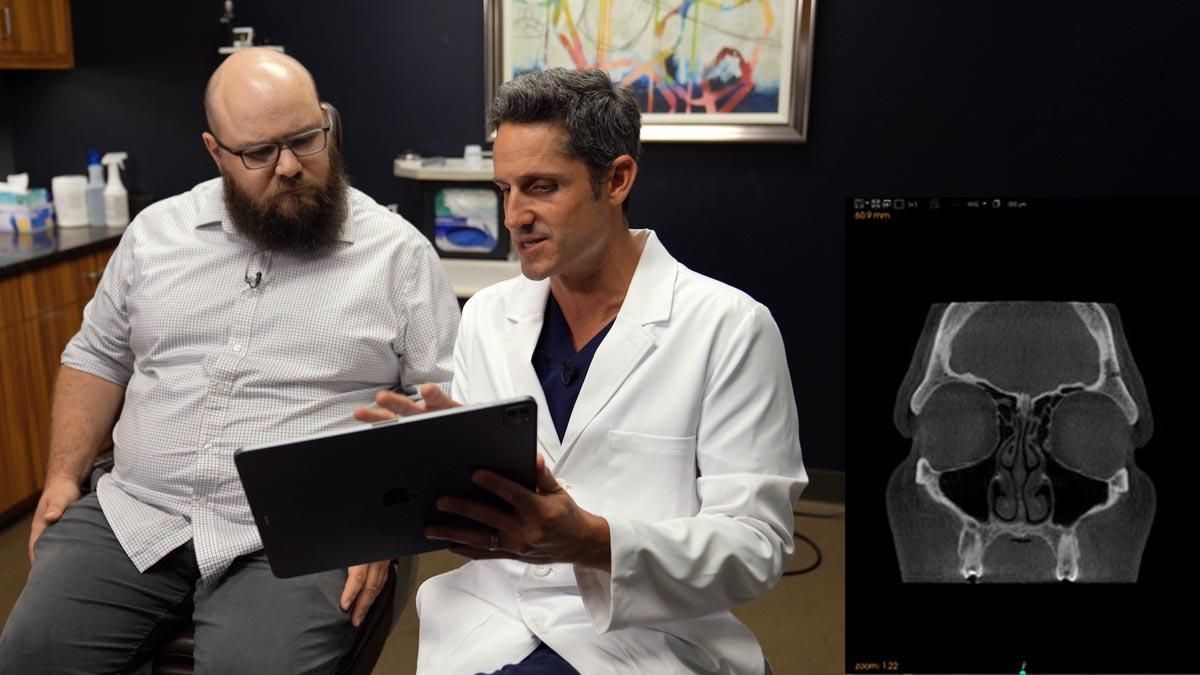
Tooth infections are a common problem that can cause a range of uncomfortable symptoms. But did you know that tooth infections can also lead to sinusitis? 40% of sinus infections are due to dental infections. Routine dental exams can miss the presence of a dental infection that may be responsible for sinusitis. Moreover, sinus computed tomography (CT) or Cone Beam Volumetric CT (CBVCT) are much more effective at detecting dental issues that lead to sinusitis.
Keep reading to learn more about how tooth infections can cause sinusitis.
How Tooth Infections Spread to the Sinuses
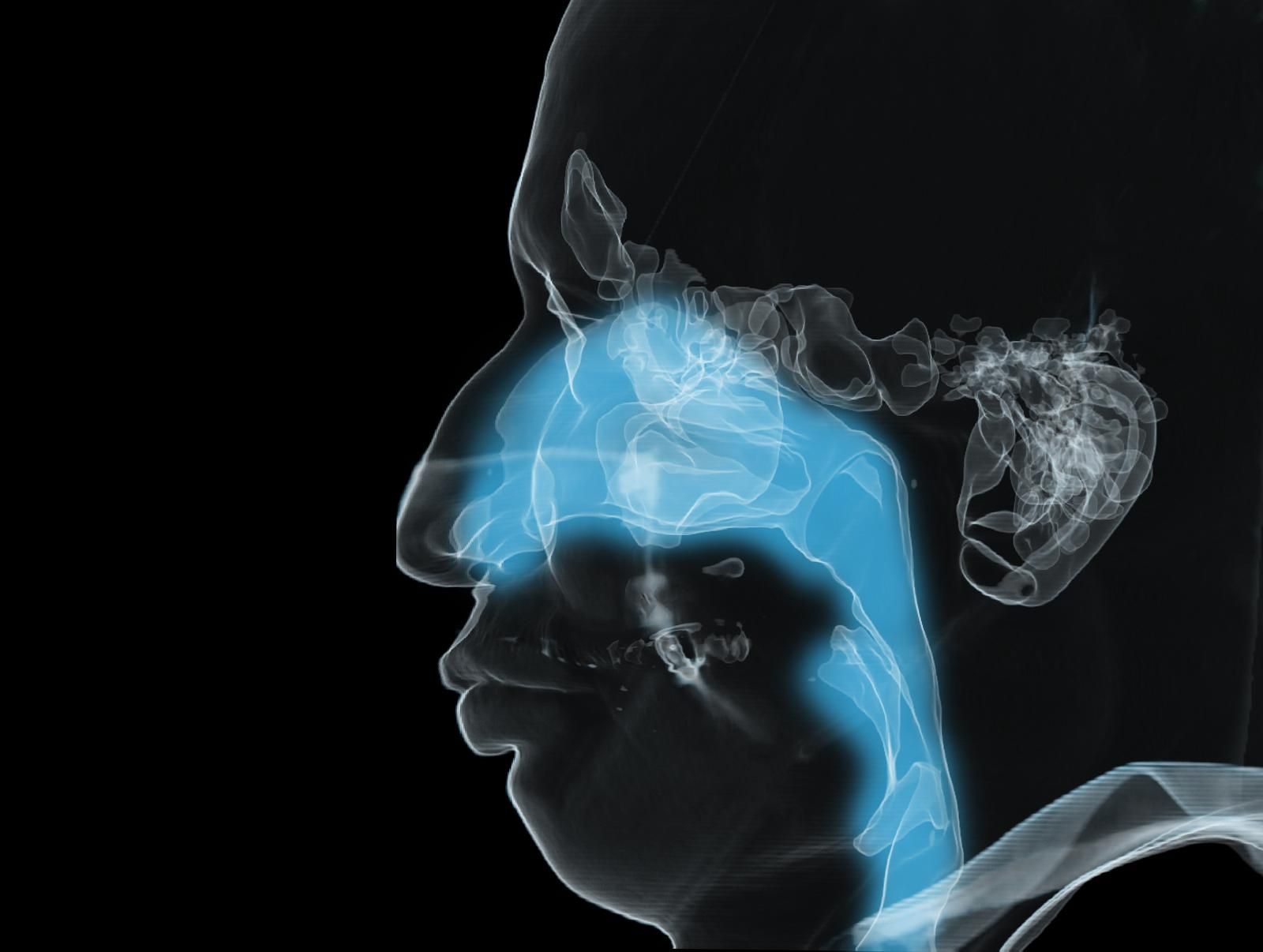
The roots of the upper teeth are located very close to the sinuses; in some cases, the roots can even penetrate the sinus cavity. This means that an infection in an upper tooth can easily spread to the sinuses.
When a tooth infection or gum disease is left untreated, bacteria enter the soft pulp tissue inside the tooth. The bacteria can then multiply, cause an infection, and spread to the surrounding tissues and even into the sinuses.
When a tooth infection spreads to the sinuses, it can cause a secondary infection in the sinus cavity. It can lead to the symptoms of sinusitis, such as nasal congestion, foul odor, facial pain, and headache. The sinus infection can sometimes become chronic, leading to long-term discomfort and even complications.
The Reverse Situation: Sinus Infections and Tooth Pain
It's important to note that a sinus infection can cause tooth pain, as the sinuses are located close to the upper teeth. Patients may complain of tooth sensitivity or pain that seems to have no dental cause, and it's essential to consider the possibility of a sinus infection in these cases.
Sinusitis vs. Regular Tooth Ache
Most symptoms of a typical toothache can resemble those of a sinus-related toothache, but sinus tooth pain is mainly in the upper molars, impacting multiple teeth rather than just one. A regular toothache will be more intense and focused, with no other complications.
The discomfort caused by a sinus toothache can increase with specific movements, such as jumping or bending over, as they alter the sinus pressure. Conversely, the pain may diminish when in a seated or reclined position.
Root Canals and Sinusitis
While root canals are a safe and effective dental procedure, a few patients can experience sinusitis-like symptoms after a root canal treatment. That is because of sinus communication, which means a small opening in the sinus lining. Sometimes the sinus lining is punctured when the dentist cleans the damaged pulp. This could sometimes result in symptoms resembling sinusitis, such as sinus pressure, pain, and post-nasal drip. However, the good news is that in most cases (where the opening is less than 2mm), sinus communication typically heals on its own within a few weeks and does not require any further surgical intervention.
Tooth infections are a common cause of sinusitis and can have serious consequences if left untreated. Being aware of the relationship between dental problems and sinus infections will help you encourage patients to seek prompt treatment for dental issues. If you want to get more such insights on treating nose, sinus, and airway conditions, join the Snot Force Alliance. We believe in the power of collaboration to provide better care for patients. Join the force today to learn, discuss, and boost your medical career!