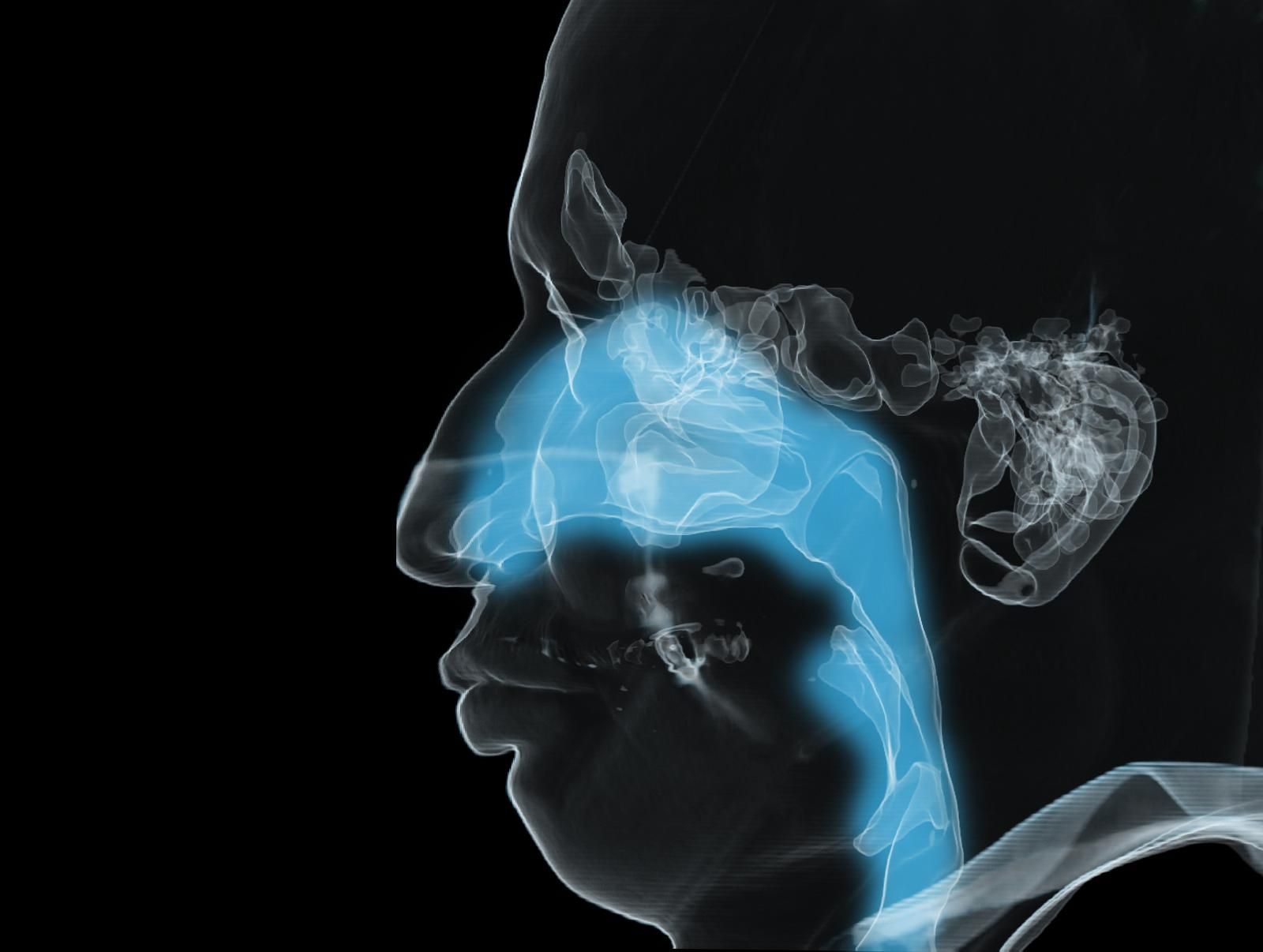
Nose and Allergy Problems
While we all eagerly embrace the warm weather and the opportunity for outdoor activities, addressing the pesky nose and allergy problems often associated with this time of year is extremely important. From hay fever to allergies and bothersome congestion, summer can bring about unwelcome discomfort.
Read on to explore common summer nose and allergy issues and learn helpful tips to stay cool and breathe easy during this sunny season.
Common Summer Nose and Allergy Problems
Here are some of the most common nose and allergy problems that come up during the summer:
Hay Fever
Hay fever, or allergic rhinitis, is more likely to appear during the spring or summer months. Pollen from trees, grass, and weeds, as well as mold spores, are the primary causes of hay fever. When someone with hay fever comes into contact with these allergens, it can lead to frequent sneezing, a runny or congested nose, itchy and watery eyes, and sometimes even coughing or a sore throat.
Air Conditioning Allergies
While air conditioning systems are a welcome relief during hot summer days, they can pose a potential problem for individuals susceptible to nasal allergy issues. Improperly maintained air conditioning units can accumulate dust particles, mold spores, and other airborne allergens in the system's filters and ducts. These offenders make their way into living spaces and can cause symptoms in allergic individuals.
High Humidity
When the ambient humidity is elevated, it can create an environment conducive to the growth of mold and dust mites. Humid places in the house include bathrooms, basements, and poorly ventilated areas. When exposed to mold spores or dust mite allergens, allergic individuals may experience exacerbated symptoms or even develop new allergic reactions.
High humidity levels can lead to nasal congestion, increased sneezing, itchy or watery eyes, and an overall worsening of existing symptoms. Managing indoor humidity levels through proper ventilation and dehumidifiers can help minimize these issues.
Dehydration
Summer heat and increased outdoor activities can lead to dehydration, which can cause the nasal passages to dry out, leading to discomfort, congestion, and an increased risk of infections.
Dry Air and Dust
Dry air is a common issue during the summer, especially in arid climates. Dry air can irritate the nasal passages, leading to dryness, congestion, and discomfort.
When to Seek Medical Advice
While home remedies may alleviate mild symptoms, knowing when to consult a healthcare professional is crucial. Consider seeking medical advice if:
- Symptoms persist or worsen over time.
- You experience severe pain or pressure in your nose.
- Nasal discharge changes color to yellow or green.
- You have a persistent fever.
Learn more about summer nose and allergy problems from the team at Snot Force Alliance, Inc. We bring together doctors and medical professionals to collaborate and inspire the best of the medical community involved in treating nose and allergy problems. Join the talented group today to learn and share!