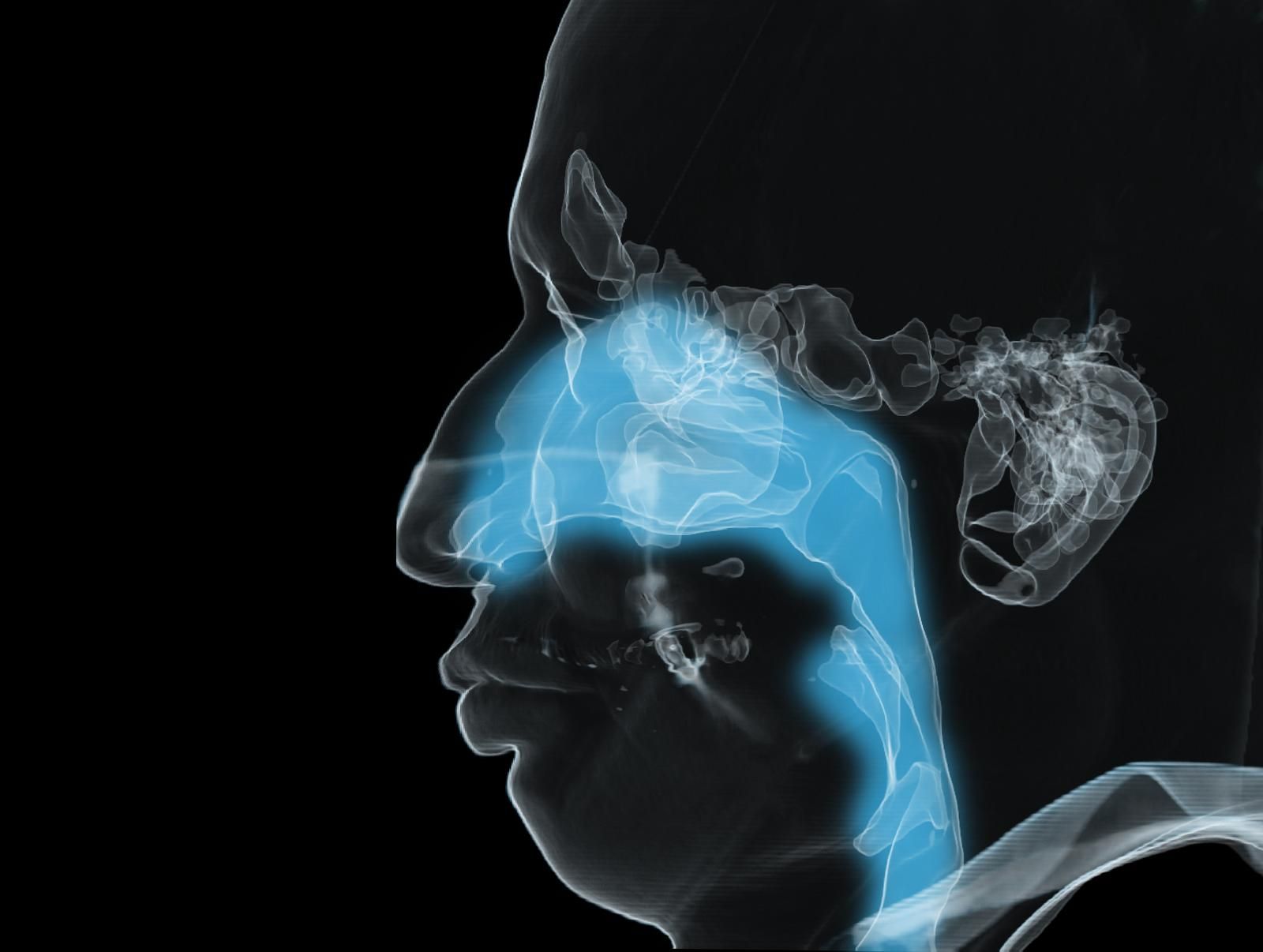

Unpacking Sleep Apnea: Signs, Risks, and Treatments

October 26, 2023

Sleep Apnea is a common sleep disorder that involves sleep-related breathing problems. These breathing difficulties, known as apneas, can last several seconds and occur multiple times during the night. It affects around 30 million people in the United States, yet only 6 million are diagnosed.


Understanding the symptoms, risks, and therapies of sleep apnea is critical for improving the quality of life for your patients. Let's get started!


Signs of Sleep Apnea

Since sleep apnea happens while individuals are sleeping, many people don’t even know they have it until the symptoms begin to stand out. However, some signs are easier to notice. Here are a few examples:


Loud Snoring

While snoring can be normal, especially in certain positions, loud and persistent snoring might indicate a potential problem.


Excessive Daytime Sleepiness

Those with sleep apnea often feel very tired during the day, no matter how much they slept the night before. They might also get frequent morning headaches.


Pauses in Breathing

Patients might report instances of gasping for air during sleep, or their bed partners may notice these pauses.


Difficulty Concentrating

Cognitive issues like memory problems and difficulty focusing can be linked to sleep apnea.


Irritability and Mood Changes

Sleep apnea can interfere with emotional control, leading to mood swings, anger, and depression.


The Risks: Why Sleep Apnea Demands Attention

Sleep apnea can affect adults and children alike. It is a serious medical condition and can give rise to certain complications: 


Cardiovascular Issues

Untreated sleep apnea can strain the cardiovascular system, contributing to high blood pressure, heart disease, and stroke.


Type 2 Diabetes

Sleep apnea has been linked to insulin resistance and an increased risk of developing type 2 diabetes.


Daytime Fatigue and Accidents

Extreme tiredness can lead to impaired alertness, increasing the risk of accidents while driving or operating machinery.


Complications During Surgery

Sleep apnea can complicate anesthesia administration and postoperative recovery.


Effective Treatments for Sleep Apnea

Medical professionals play a crucial role in helping patients find effective treatments for sleep apnea:


Lifestyle Modifications

Encourage patients to adopt a healthy lifestyle by losing weight, avoiding alcohol and sedatives, and sleeping on their sides to reduce the severity of obstructive sleep apnea.


Continuous Positive Airway Pressure (CPAP)

A CPAP machine provides a constant stream of air pressure to keep the airway open during sleep. It is one of the most common treatment options for moderate to severe sleep apnea.


Inspire

Inspire is an innovative FDA-approved treatment for obstructive sleep apnea that operates internally, addressing the root cause with a straightforward button activation. Inspire is an in-body solution, implanted during a quick outpatient procedure.


At bedtime, you can simply activate Inspire with the remote control. It will gently widen your airway, allowing for normal, restful breathing. Remarkably, 91% of Inspire users express their satisfaction. With the use of Inspire, sleep apnea events see a substantial 79% reduction. Striking 94% of Inspire patients prefer it over CPAP and would enthusiastically recommend it to others.


Bi-level Positive Airway Pressure (BiPAP)

Similar to CPAP, BiPAP delivers varying levels of air pressure, which is particularly helpful for patients who need assistance during inhalation and exhalation.


Adaptive Servo-Ventilation (ASV)

ASV devices adjust air pressure in response to the patient's breathing patterns, making them effective for treating central and complex sleep apnea syndromes.


Oral Appliances

Dental devices that reposition the lower jaw and tongue can help prevent airway obstruction, making them suitable for mild to moderate OSA.


Surgery

In severe cases or when other treatments fail, surgical interventions such as uvulopalatopharyngoplasty (UPPP) or genioglossus advancement (GA) can be considered.


By staying updated on the latest advancements in sleep medicine, you can provide the best care possible and contribute to improved patient outcomes. Join the Snot Force community today, and let's work together to enhance sleep health, one patient at a time! We are a team of healthcare workers with the vision of improving healthcare through collaboration. Join us today to make a difference!

September 22, 2026
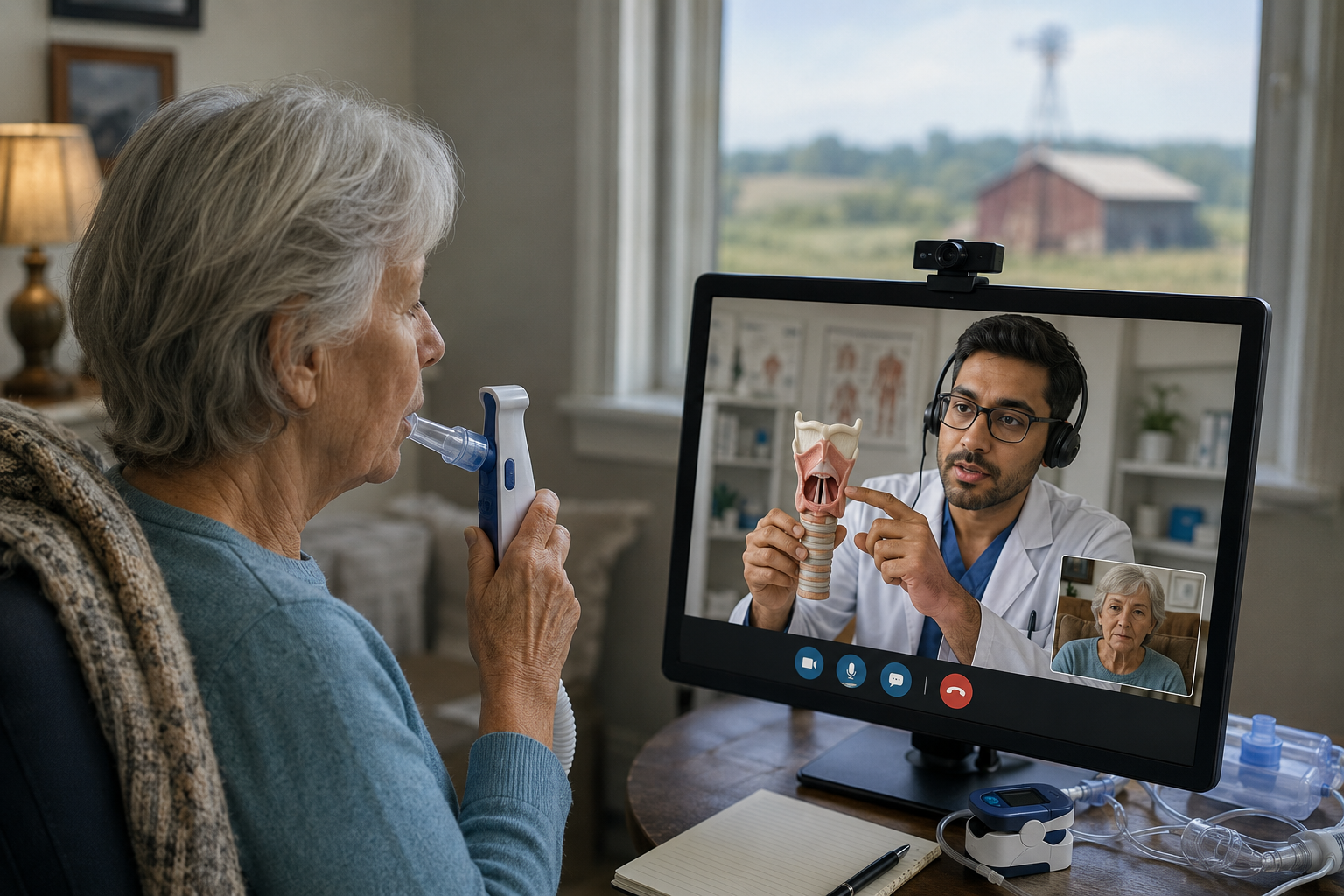
Inflammatory airway diseases can impact a patient's quality of life. Untreated conditions leave patients struggling to breathe, coughing regularly, and feeling unwell for months at a time. Airway disease management has undergone significant changes in recent years. Treating airway diseases has become increasingly complex, despite improvements in methodologies and technologies. In rural and underserved regions, many patients lack access to specialty care. Key Takeaways: Providing high-quality care to patients with airway disease requires collaboration across specialties. It is important to expand rural ENT access and access to multidisciplinary clinics. Clinicians in rural communities can improve patient outcomes through collaborations and with creative solutions that expand airway care. The Need for Multidisciplinary Airway Care Airway diseases affect multiple systems of the body and thus are treated by different types of physicians. Allergists, primary care doctors, pulmonologists, and ENT physicians all play a role in caring for patients with airway conditions. Physicians who can facilitate multidisciplinary care can improve diagnostic accuracy while also helping to ensure better patient outcomes. Challenges in Rural and Underserved Communities Rural ENT access is spotty at best. Many rural areas lack specialty physicians and often, patients must travel long distances to tertiary medical centers where they receive care. As a result, patients with limited transportation options may experience delays in diagnosis and care. Sometimes, these specialty care disparities can leave primary care providers to manage complex airway conditions on their own. In areas where insurance coverage is limited, and referral networks are fragmented, patients may struggle with their conditions without treatment at all. The Consequences of These Limitations Delays in diagnosis and treatment mean poor management of chronic conditions and increased reliance on treatment from acute care settings. Under this system, patients become frustrated as they lean on ineffective treatment methods. Methods for Expanding Access There are many methods for expanding access to patients in rural and underserved areas. Telehealth Airway Care The use of telehealth treatment has significantly expanded in recent years. With telehealth tools, hybrid care models combine in-person and virtual visits. This same technology also connects doctors, bringing together specialists and community clinicians. Regional Centers of Excellence Multidisciplinary airway centers have proven effective for helping patients access specialty care. Airway centers make it easier to streamline referrals in complex cases. These airway centers can serve larger geographic areas by setting up outreach clinics in surrounding communities. Collaborative Networks Partnerships and collaborations between physicians are key to ensuring that primary care providers in underserved areas have access to resources and information. Supporting Rural Physicians There are many ways to support rural physicians. Snot Force has committed to build networks for physicians, helping to ensure the dissemination of information across specialties and practice settings. We facilitate collaboration between disciplines to promote innovation in care for underserved communities. We're bringing doctors together to break down specialty care disparities and improve rural ENT access and information. Our research collaborative depends on many medical professionals to participate, and we're always looking for more physicians to join the force. To learn more, contact Snot Force today .
doctors discussing how AI helps
September 10, 2026
Explore the ethical considerations of AI-guided airway care, including clinical judgment, patient consent, bias, safety, data privacy, and validation.
Unified airway awareness logo
August 25, 2026
Discover how biologics, multidisciplinary care, and precision medicine are shaping the future of unified airway care and chronic airway disease management over the next five years.
anatomy-of-paranasal-sinuses-and-trachea-airway-3d-illustration
August 11, 2026
Explore emerging tools in functional airway assessment, including quantitative CT, airway imaging, airflow modeling, and advanced sinus diagnostics shaping the future of ENT and airway care.
A doctor reviewing a patient chart on a clipboard, representing clinical decision-making for chronic
July 28, 2026
Compare surgery, biologics, and medical management for chronic sinusitis. Learn how clinicians choose the best treatment for CRS and nasal polyps.
Woman in a face mask holding a flower to her nose, illustrating smell loss from chronic sinusitis.
July 16, 2026
Learn why smell loss in chronic sinusitis may signal severe airway disease, nasal polyps, or eosinophilic inflammation, and explore today's treatment options.
doctors training each other
July 7, 2026
Learn why interdisciplinary training in CRS, asthma, biologics, and airway inflammation is essential for preparing clinicians to diagnose and manage complex airway disease.
a group of physicians in a meeting
June 26, 2026
Learn how standardized communication across ENT, allergy, pulmonology, and GI specialties improves care coordination, teamwork, and patient outcomes.
participants-learning-new-ultrasound-techniques-on-medical-congress
May 26, 2026
Discover how translational airway research improves real-world patient care through collaboration, innovation, and evidence-based sinus treatment. Learn how Snot Force helps physicians bridge the gap between airway science and clinical practice.
doctor-team-analyzing-health-charts-for-effective-patient-care
May 12, 2026
Explore the differences between objective measures and patient-reported outcomes in sinonasal disease. Learn how ENT doctors can improve sinus disease assessment by combining clinical data with real-world patient experiences.