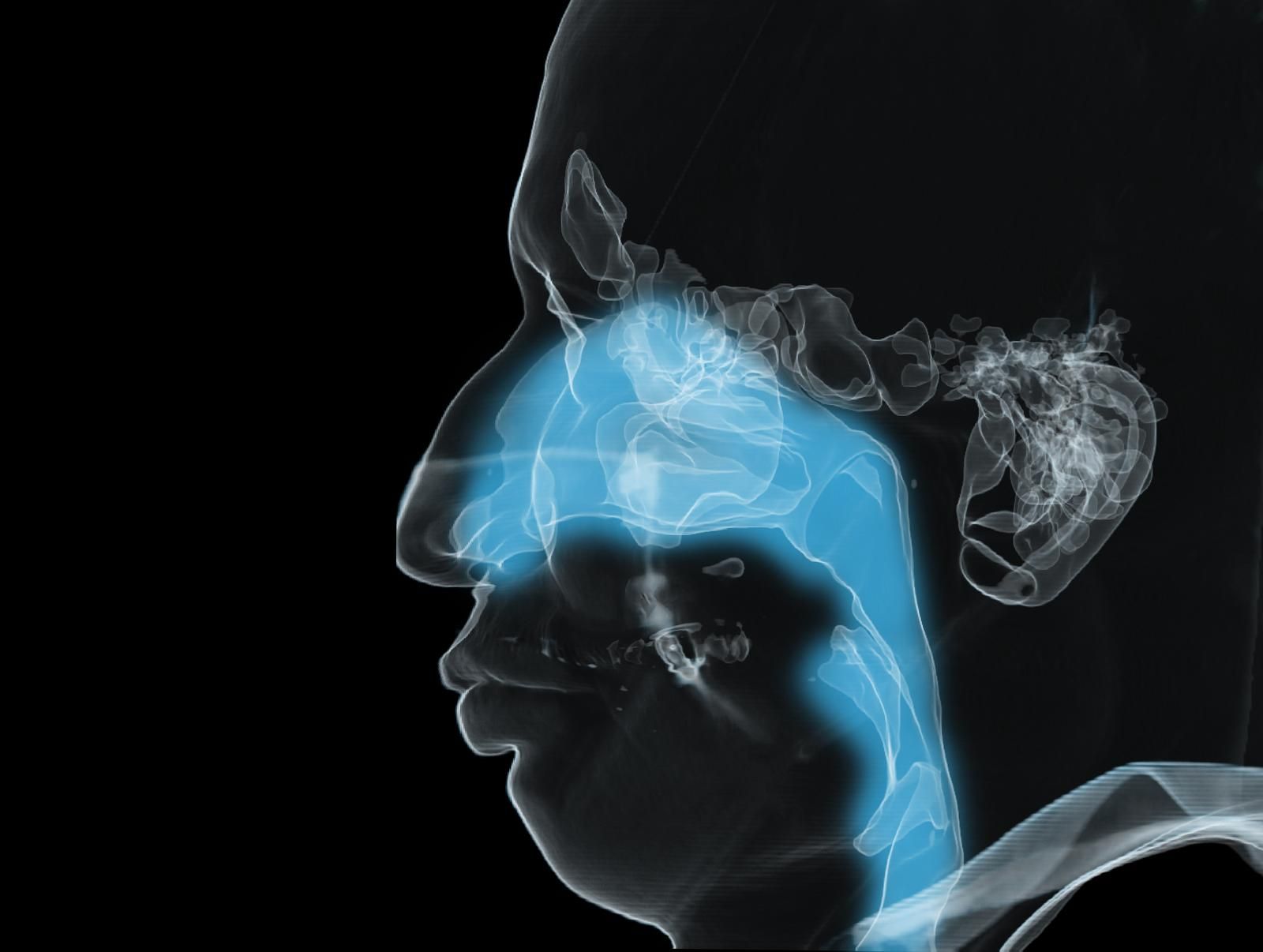

What is The Unified Airway?
Thanks to the innovations of technology and modern medicine, doctors and researchers have begun to reevaluate certain disorders. Among these are the disorders of rhinitis and asthma. These advances have let doctors know that instead of treating these two as separate entities they should, instead, be treated as one. This is now known as unified airway disease (UAD). Unified airway diseases look at the association between the upper and lower airway when inflammation takes place.
The Nose and the Lungs
The link between the nose to the lungs is the unified airway. You’ll see talk of the upper airway, which is the upper respiratory tract. The upper airway includes the nose, nasal cavity, mouth, throat, and voice box. The lower airways, or lower respiratory tract, includes the windpipe, lungs, bronchi, bronchioles, and alveoli. Every bronchus in the lungs is divided into secondary and tertiary bronchi, which branch off into smaller airways called bronchioles.
Upper airway diseases can include allergic rhinitis (AR) and chronic rhinosinusitis (CRS). Lower airway diseases also include things such as asthma.
Allergic Rhinitis
Allergic rhinitis is quite common as it affects roughly 20% of adults and up to 40% of children within the United States. Some symptoms that may appear with allergic rhinitis are congestion, smell impairment, postnasal drip, itchy eyes, fatigue, and headache.,
There is a clear relationship between AR and asthma within the united airway. More than 80% of those who suffer from asthma have rhinitis, and 10-40% of those who have rhinitis have asthma.
Chronic Rhinosinusitis with Nasal Polyps
Chronic rhinosinusitis with nasal polyps (CRSwNP), is characterized by the inflammation of the mucosa of the nose and the paranasal sinuses for at least 12 weeks with evidence of nasal polyposis. Some of the symptoms include nasal congestion, smell loss, facial pressure, nasal discharge, and cough.
Much like asthma and allergic rhinitis, the most common symptom is inflammation.
Asthma
Asthma is an inflammatory disorder of the airways. While asthma symptoms differ between people, they may include wheezing, breathing difficulties, chest tightness, and a cough. Thanks to modern medicine, doctors know that if AR or CRS is diagnosed, effective management of the disorder may prevent asthma development.
In Conclusion
Worry not! There are ways in which we can manage asthma and rhinitis. Some may opt for an inhaler to manage asthma. Doctors can also devise an allergy avoidance plan that will help in managing asthma attacks. Doctors may prescribe an intranasal antihistamine or topical steroid to combat the effects of AR as well. What’s important is that you ask your doctor's advice on these topics before deciding anything on your own.
At Snot Force Alliance Inc, we aim to bring specialists together to treat nose, sinus, and airway-related conditions. We offer various collaborative opportunities for medical experts, clinics, and researchers.