
Conformal Proton Therapy for Skull-Base and Sinonasal Tumors
Radiation therapy has been used to treat cancerous and non-cancerous tumors for a long time. With advances in medical research and technology, a new type of radiation therapy called proton beam therapy was introduced and successfully used to treat patients with tumors.
Multidisciplinary Snot Force Alliance Webcast with Radiation Oncologist Dr. Adam Holtzman
The July Snot Force Assemble! CME webcast explored the role of conformal proton therapy for skull-base and sinonasal tumors with Dr. Adam Holtzman of the University of Florida. The exciting event was joined by different specialties including otolaryngologists, allergists, and radiation oncologists who shared their case-based experiences.
Keep reading to know more about proton therapy and how it can help.
What Is Proton Therapy?
Proton therapy is a type of radiation therapy that uses high-energy proton beams to treat tumors. Other radiation therapies use X-rays, while proton therapy uses the energy from positively charged particles. It employs an external radiation device that penetrates the skin painlessly to reach the affected area. The radiation device accelerates the protons, resulting in high energy. This high energy is used to penetrate to the required depth and direct radiation to the tumor.
With conformal proton beam therapy, the radiation does not hit the healthy tissues and thus has fewer side effects than the X-ray radiation technique. However, like other radiation therapies, photon beam therapy also has side effects:
● fatigue
● redness around the area under treatment
● hair loss
● soreness around the treated part
● digestion issues
● nausea and vomiting
Specific side effects might occur months after the treatment depending on the type of tumor and the length of treatment. There can be lung changes, bowel changes, as well as infertility.
Proton therapy involves risks, but the risks can be minimized with proper diagnosis and post-therapy treatments.
How Does Proton Therapy Help Treat Skull Base and Sinonasal Tumors?
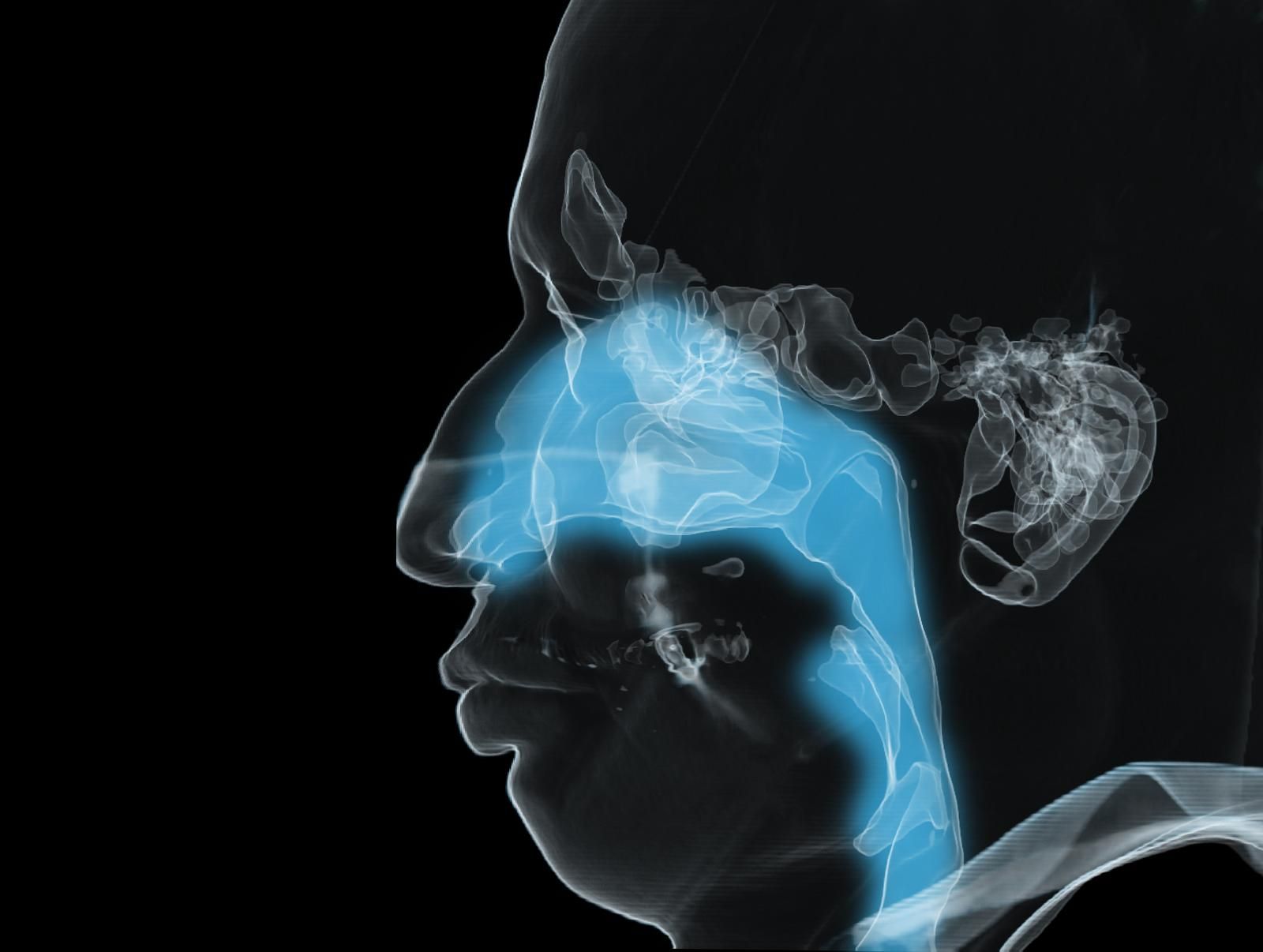
Tumors arising from the sinonasal cavity and skull base are challenging to diagnose and often need an MRI scan to confirm.
Symptoms
The patients might come to you with symptoms similar to sinusitis. They could also have symptoms like blurred or double vision, loss of taste, nose bleeding, and numbness of their upper teeth. Sometimes, in extreme cases, patients might also have difficulty opening their mouths, can also experience hearing loss, and can experience pain in their ears.
Treatment
The treatment for sinonasal or skull base tumors is complicated because of their proximity to the optic nerve, spinal cord, and brain stem. Exposure to X-ray radiation treatment can affect the nearby tissue impacting vision, cognitive function, hearing, and the ability to eat and taste. Conformal proton therapy’s precise and accurate treatment provides the best possible solution. Patients with recurrent skull base or sinonasal tumors treated with other radiation therapies can also be treated with proton therapy. This safe option provides optimal radiation without affecting the surrounding areas.
If you are a medical professional wanting to gain more insight into ENT care, join the fantastic group of specialists at the Snot Force Alliance. We are a group of clinicians, researchers, and healthcare professionals on a mission to collaborate and inspire innovation to bring out the best patient care. Click here to join the force today and play your part in making the world a healthier place.