How AI and Imaging Advances are Transforming Sinus and Airway Disease Care
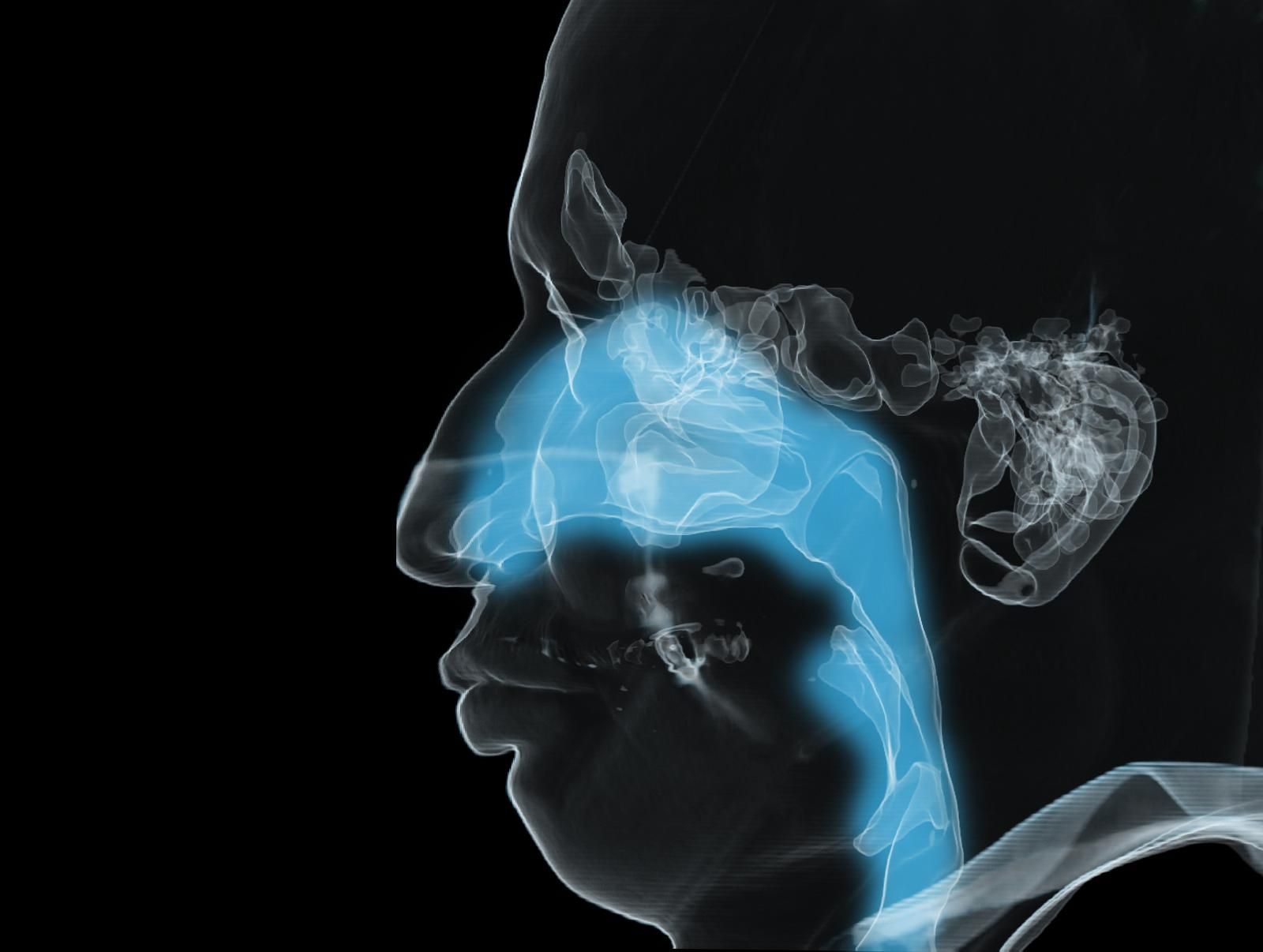
AI is demonstrably improving how doctors diagnose and treat sinus and airway diseases. In addition to creating cutting-edge devices that can correctly diagnose sinus conditions, artificial intelligence and AI sinus imaging are simplifying the process of analyzing medical scans. However, ongoing concerns around patient data privacy, understanding how AI makes decisions, and fitting these AI tools into existing hospital workflows continue to limit widespread adoption of artificial intelligence for ENT use.
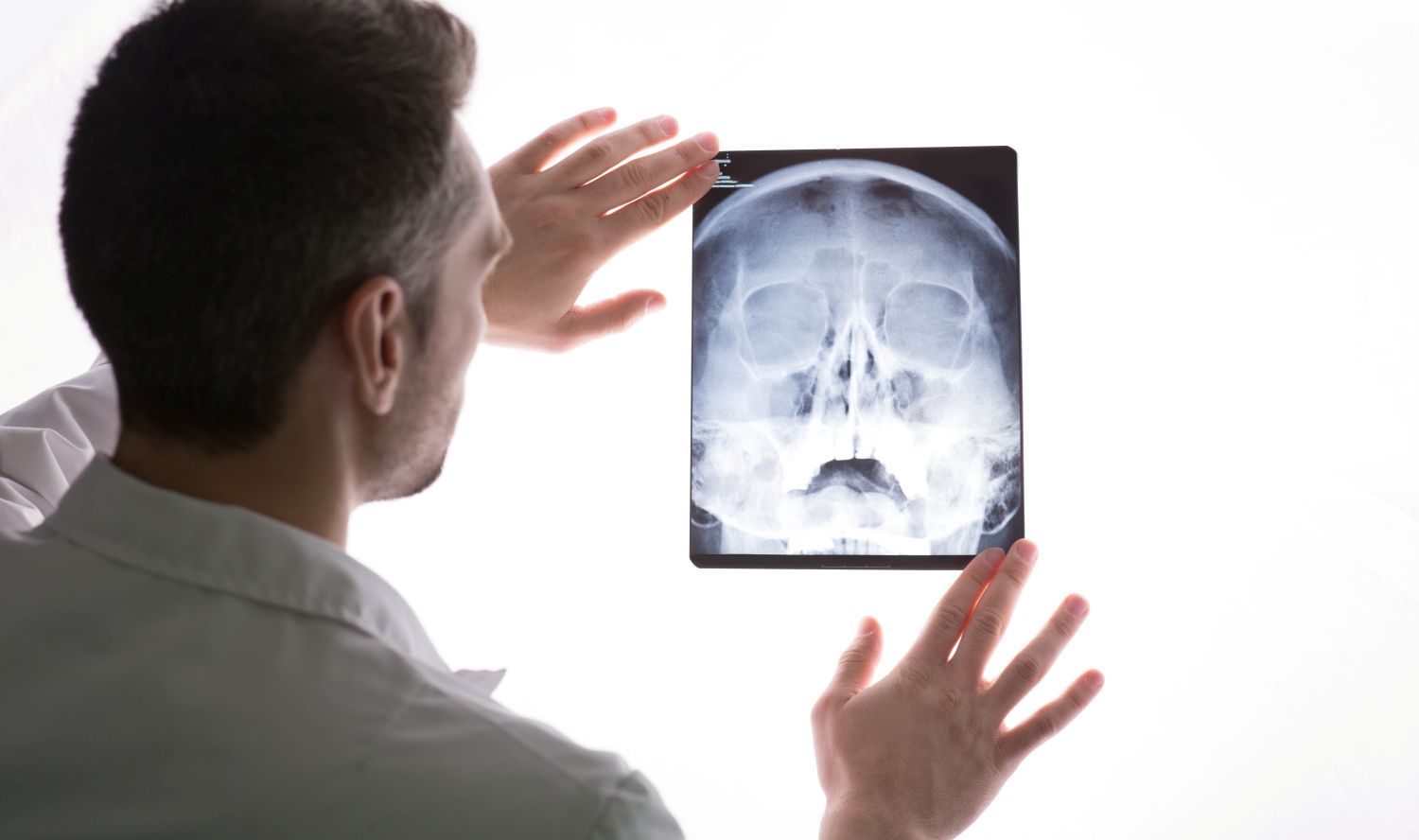
Deep Learning for Sinus Imaging Interpretation
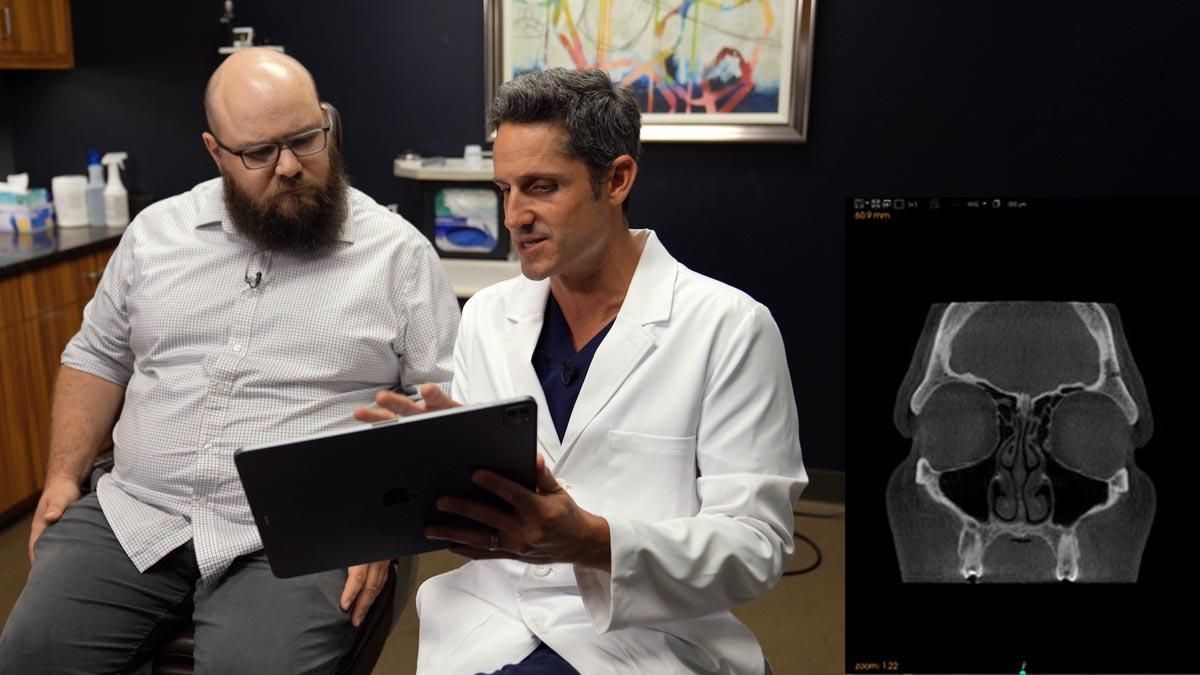
Deep learning algorithms, particularly convolutional neural networks (CNNs), have shown promise in correctly interpreting sinus imaging. These algorithms can rapidly identify sinus structures, identify abnormalities, and evaluate the severity of specific diseases, thereby reducing reliance on manual interpretation and minimizing human error. Studies indicate that CNN models achieve high sensitivity (97.96%) and accuracy (92.47%) in detecting chronic maxillary sinusitis and bone remodeling on CT images.
AI-Driven Classification of Sinus Pathologies
AI systems are being engineered to classify various sinus pathologies, including chronic rhinosinusitis (CRS), nasal polyps, and mucosal thickening. Deep learning models utilizing residual networks have been successfully employed to predict inflammatory subtypes in chronic rhinosinusitis patients with nasal polyps. Automated quantitative processing of sinus CT images further provides objective measures that correlate well with established visual scoring methods.
Challenges and Limitations of AI in Sinus Imaging
Despite promising advancements in AI sinus imaging, several challenges persist in the artificial intelligence used in ENT fields. Data privacy concerns remain a top priority, as current deidentification methods may not be wholly effective in preventing privacy breaches. Critical hurdles include data storage and security protocols, controlled access to databases, and compliance with regulations like HIPAA and FDA guidelines for AI/ML (machine learning)-based devices.
Future Directions and Clinical Implications
Future advancements may include the incorporation of multimodal data, such as combining imaging with genetic or molecular information, to provide more comprehensive and personalized treatment approaches. Multi-institutional validation of AI algorithms offers potential advantages over visual-based scoring systems, indicating that standardized and validated AI tools will likely become integral components of clinical practices.
FAQ About AI Sinus Imaging
Does AI sinus imaging work with MRI scans or only CT scans?
Most current AI systems are trained on CT imaging, though research is expanding to include MRI and other modalities.
Can AI distinguish between bacterial and viral sinus infections?
Current AI systems demonstrate high accuracy at identifying structural abnormalities and inflammation patterns. However, they cannot reliably determine infection type without additional clinical data.
How long does AI analysis of a sinus CT scan take?
AI systems can analyze sinus CT scans in seconds to minutes, significantly faster than traditional manual interpretation, which may take 10–30 minutes.
How does AI integration affect the otolaryngologist's final diagnosis?
It acts as a powerful assistive tool, highlighting areas of concern and providing quantitative data, but the clinician remains responsible for the final interpretation and clinical decision making.
Join the Snot Force Alliance!
The Snot Force Alliance brings together medical professionals to share cutting-edge research and advance treatment strategies for airway inflammatory diseases. By joining our collaborative network, you'll gain access to the latest clinical findings and innovative approaches in nasal, sinus, and airway care. Partner with us to elevate patient outcomes and transform how we manage these conditions in clinical practice.