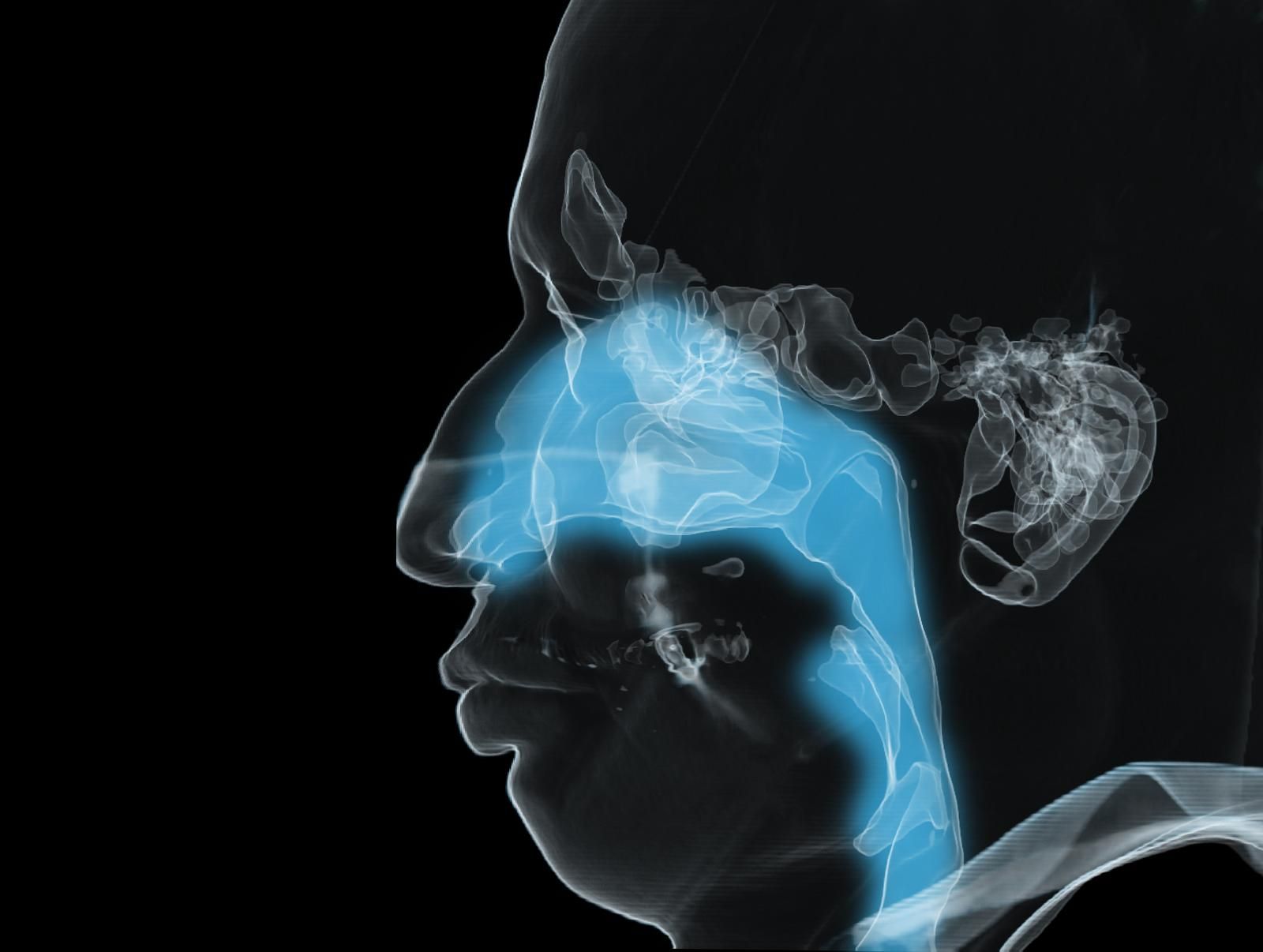

Why ENT Specialists Must Partner with Oral Specialists
Forging a strong partnership with an oral and maxillofacial specialist isn't just beneficial; it's often essential for definitive diagnosis, effective treatment, and optimal patient outcomes.
For ENT specialists, a case of persistent, unilateral maxillary sinusitis presents a familiar challenge. When standard treatments fall short, the cause may lie not in the sinus itself, but in the mouth below. Odontogenic sinusitis (OS) isn't a rare outlier; it's a significant contributor that demands a collaborative diagnostic approach.
Key Takeaways for the ENT Specialist
- Prevalence is High: OS accounts for up to 40% of all maxillary sinusitis and a striking 75% of unilateral cases.
- Collaboration is Non-Negotiable: Successfully diagnosing and treating OS requires a coordinated, two-specialty pathway.
- Referrals are a Two-Way Street: Establishing clear criteria for when to refer to an oral specialist—and welcoming their referrals—creates a seamless care continuum.
- The Goal is a Network, not a Transaction: The aim is to build a trusted, local professional relationship that streamlines care for all future patients.
Understanding the Scope of the Problem
The anatomical intimacy between the upper molar/premolar roots and the maxillary sinus floor is the root of the issue. Common dental pathologies that lead to OS include:
- Dental caries and periapical abscesses
- Periodontal disease
- Failed root canals or retained tooth roots
- Complications from dental implants (e.g., sinus perforation)
- Oral-antral fistulas from trauma or extraction
When these infections erode the thin bony floor, bacteria seed the sinus, creating an infection that will recur until the dental source is eliminated.
The Collaborative Care Pathway: A Guide for ENTs
At Snot Force Alliance, we champion structured collaboration. Here’s how an effective ENT-Oral Specialist partnership functions:
1. Diagnosis: Shared Tools, Shared Insight
The diagnosis of OS is multidisciplinary. Your clinical suspicion from unilateral symptoms, foul odor, or dental history is the first step. The oral specialist brings critical expertise with Cone Beam CT (CBCT), which provides superior dento-alveolar detail compared to standard sinus CT, precisely pinpointing the offending tooth and bony defect. This combined imaging review is often the key to a definitive diagnosis.
2. Treatment: A Coordinated, Two-Phase Approach
- Phase 1 (Oral Surgeon): Address the dental source. This may involve tooth extraction, apicoectomy (root-end resection), or surgical repair of a sinus communication.
- Phase 2 (ENT): Manage the sinus disease. This often involves medical therapy followed by endoscopic sinus surgery to clear the infected sinus mucosa, restore drainage, and address any concomitant rhinosinusitis.
The order is critical: addressing the dental cause first is paramount for long-term success.
3. Building the Referral Framework
Stop thinking in single referrals. Start building a pathway. Develop mutual guidelines with your local oral surgery partners:
- When should an ENT refer? For persistent unilateral maxillary sinusitis, especially with any dental red flags
- When should an oral surgeon refer? When sinus symptoms are prominent at presentation, or when a complex case is anticipated
- What information is essential in a referral? Include relevant imaging, a clear clinical history, and specific questions for your colleague.
Actionable Steps to Improve Your Practice’s Network
- Identify Local Partners: Proactively reach out to respected oral and maxillofacial surgeons or endodontists in your area.
- Initiate a Conversation: Discuss mutual patients over lunch or a quick call. Co-review an interesting CT/CBCT scan together.
- Formalize the Pathway: Create a simple, shared document outlining referral criteria and preferred communication channels (e.g., a dedicated clinic line or secure messaging).
- Educate Your Teams: Ensure your front desk and nursing staff understand when and how to facilitate these referrals efficiently.
Join the Alliance to connect with a community dedicated to breaking down specialty silos.
Frequently Asked Questions for the ENT Specialist
What are the definitive clinical signs that should make me suspect odontogenic sinusitis?
The classic triad is unilateral maxillary sinusitis, foul-smelling rhinorrhea, and a dental history of pain in the percussion of posterior upper teeth. Nasal endoscopy often reveals pus localized to the middle meatus on the affected side.
How can I start building these collaborative relationships?
It begins with a single connection. Use your existing network, ask for recommendations from dental anesthesiologists or periodontists you may know, or leverage professional societies. The mission of the Snot Force Alliance is to facilitate these kinds of interdisciplinary partnerships to elevate patient care.
Title or Question
Describe the item or answer the question so that site visitors who are interested get more information. You can emphasize this text with bullets, italics or bold, and add links.