Complex Cases in Chronic Cough: ENT, Pulmonology, Allergy, and GI Perspectives
A chronic cough lasting more than eight weeks can be frustrating for patients — and exhausting as well. Chronic coughs can also be difficult to diagnose. Physicians are only able to diagnose within their specialty, which means that some patients wait a long time for a diagnosis.
Chronic cough can stem from many problems, including the nose and throat, allergies, lungs, and even the GI tract. This article will talk about how ear, nose, and throat (ENT) doctors, pulmonology physicians, allergy physicians, and GI doctors all work together to help patients get diagnosed with their condition.
Key Takeaways from This Article:
- A chronic cough can have more than one source.
- Chronic cough can come from ENT, allergy, lung, and GI issues, or a combination.
- Physicians can help patients with chronic cough by treating the trigger and the cough reflex.
The Many Causes of Chronic Cough
There are many potential causes for a chronic cough. For example:
- Lung-related: Asthma, COPD/chronic bronchitis, bronchiectasis, non-allergic eosinophilic bronchitis (NAEB), and post-infectious cough can all contribute to persistent coughing.
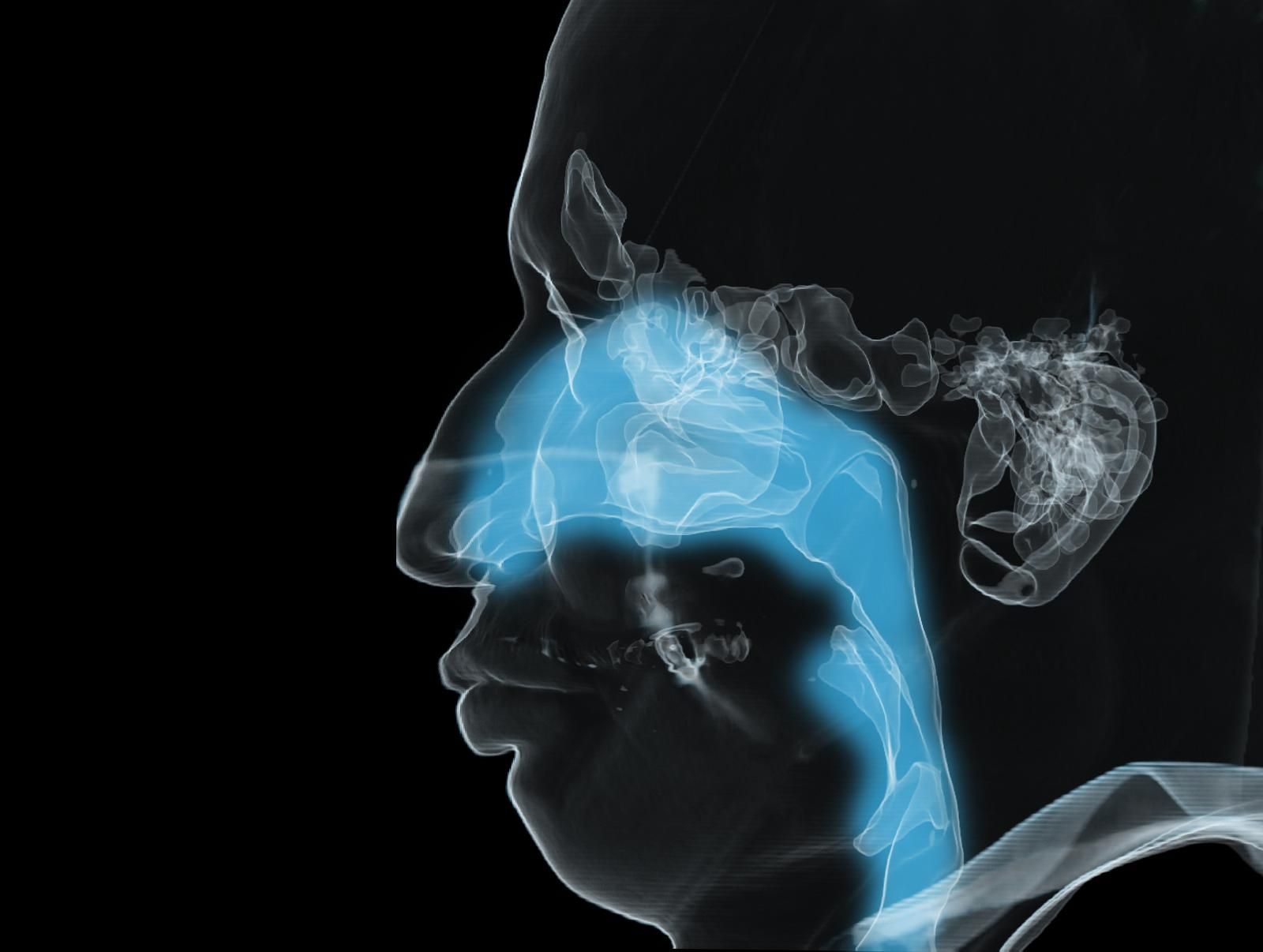
- ENT problems: Postnasal drip and sinus conditions can lead to vocal cord irritation and coughing as a result.
- Allergies: Sensitivity to dust, pollen, and mold can cause regular coughing throughout the allergy season.
- GI problems: GERD (acid reflux) can irritate the throat and trigger coughing.
Often, patients with a chronic cough have more than one contributing condition at the same time, which means effective treatment may require addressing each underlying cause.
How to Diagnose Chronic Cough
Diagnosing chronic cough can be tough for physicians.
- Talk to patients. Ask about your patient's habits, lifestyle, medications, and more.
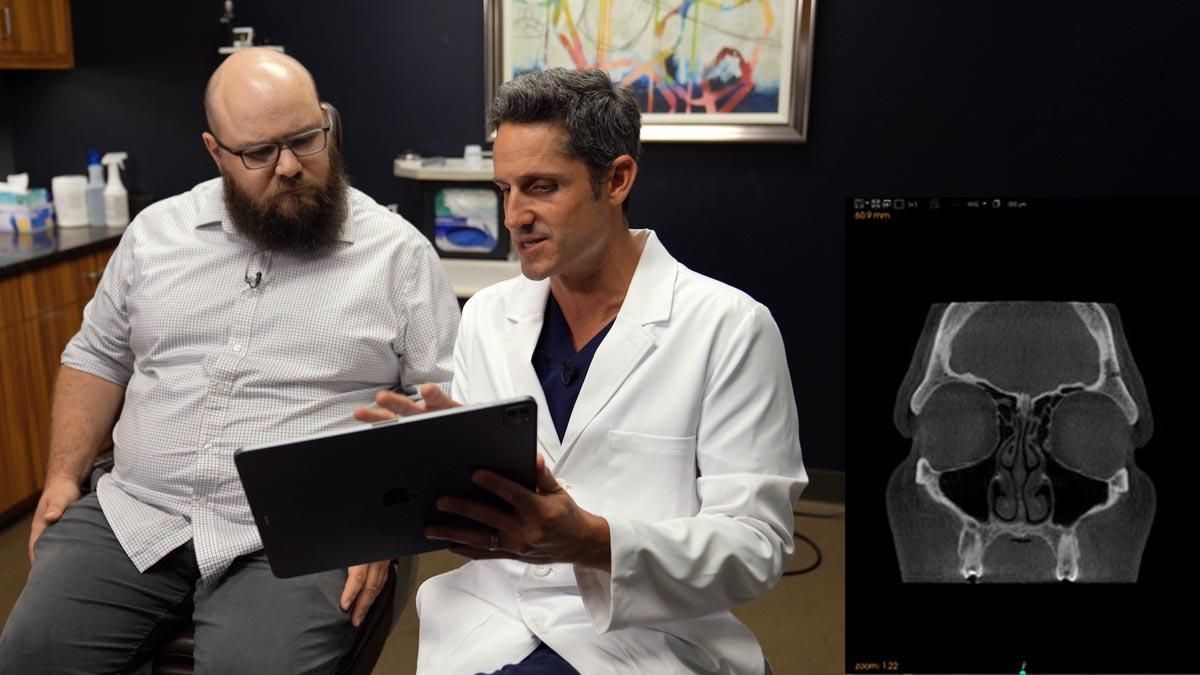
- Work together. Some patients with chronic cough can benefit from working with a chronic cough multispecialty team or several specialists all at once. Here is an example of how this can work: The ENT may look at the nose and throat or order sinus imaging, while the pulmonologist may take breathing tests or chest scans, and the allergist may check for environmental triggers. The GI specialist can check for acid reflux and problems swallowing.
Often, diagnosing the cause of chronic cough requires physicians to perform a multitude of tests with different machines. This can help physicians uncover patterns and discover the sources of problems.
Managing a Complex Cough
Typically, patients with chronic cough will improve when all possible causes are addressed. Some patients find their way to a cough clinic where specialists of different disciplines work together to help diagnose problems that cause complex coughs.
Build Collaborations with Other Professionals to Make an Accurate Diagnosis
In recent years, additional causes of chronic cough have been identified, including neurogenic chronic cough, which is often believed to be related to sensory neuropathy of the vagus nerve.
With the growing understanding of both structural and nerve-related causes, using all available diagnostic tools gives patients a better chance of identifying the source of their symptoms and finding effective treatment—especially when physicians work together across specialties.
Collaboration is key. This is why many doctors turn to Snot Force. It's our mission to inspire innovation in the management of inflammatory diseases and support better patient outcomes through multidisciplinary care. Join our team to start your collaborations.