How Telemedicine Improves Follow-Up in Complex Sinonasal Patients
Complex sinonasal conditions can span a range from congenital nasal anomalies to nasal airway obstruction. Following surgery, patients require frequent monitoring, patient education, and occasional adjustment of treatments to help them recover and maintain a high quality of life.
Virtual care in these cases has been on the rise since 2020. If you are a provider seeking to streamline care while meeting the needs of complex sinonasal patients, here's what you need to know. This article will discuss how telemedicine enhances care continuity and efficiency.
Key Takeaways:
- Traditional sinonasal care requires frequent check-ins.
- Virtual consultations make it easier to receive care.
- Virtual ENT visits are cost-effective and efficient.
Challenges in Traditional Follow-Up Care
Frequent check-ins are required for traditional sinonasal care. For patients who live far away, the challenges of reaching a doctor can be numerous. For physicians serving patients in rural and underserved areas, it's important to offer follow-up visits in many formats.
Furthermore, limited time in the clinic and limited staffing can make follow-up care onerous for physicians. Missed appointments can lead to suboptimal outcomes. This is where telemedicine sinus care comes in.
How Virtual ENT Visits Address These Challenges
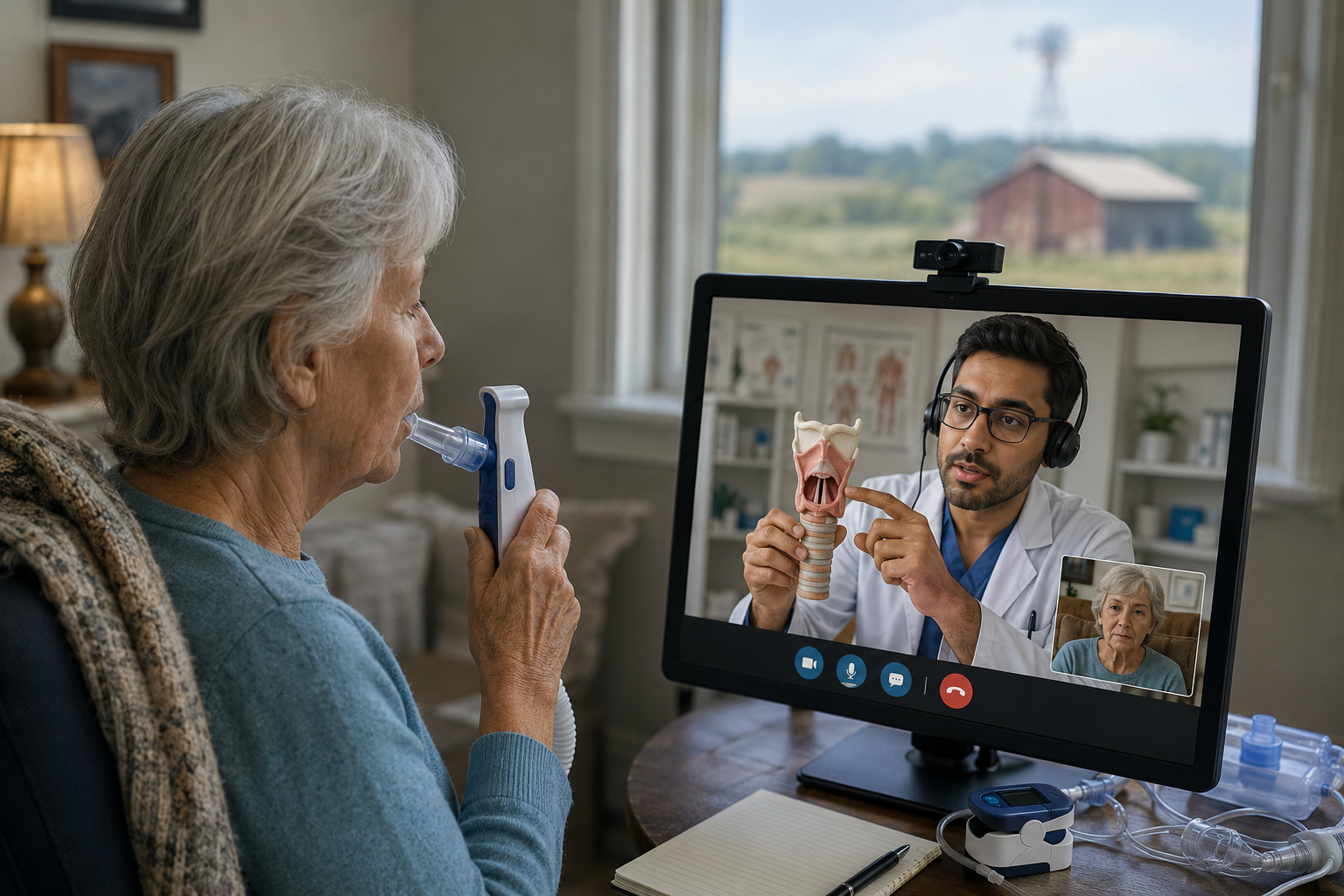
Virtual ENT consultations provide a convenient and accessible way for physicians to monitor patients after complex procedures.
Video follow-up visits can be particularly effective when combined with:
- remote symptom questionnaires
- imaging uploads
- secure patient messaging
- medication monitoring tools
These digital touchpoints allow providers to assess recovery progress, identify concerns early, and intervene when needed.
Benefits of Telemedicine for Sinonasal Follow-Up
- Easy follow-up. Physicians can help patients follow instructions for care by sending information through secure messaging. This includes postoperative instructions, medication adjustments, and more.
- Cost-effective. Virtual ENT visits incur no travel costs and often involve minimal or no time off work for patients. Virtual visits increase efficiency for clinic operations because fewer in-person visits significantly ease the burden on office staff.
- Easier to integrate multidisciplinary care. When working virtually, it's easier to coordinate with other physicians.
Practical Telemedicine Tools for ENT Practices
There are many ways that technology can be used by physicians and patients.
- Virtual ENT visits. Video-based follow-ups facilitate easy scheduling of postoperative visits.
- Remote diagnostic tools. Remote diagnostic tools can help physicians care for patients remotely.
- Apps for tracking medications and follow-up visits. There are a variety of apps that can be used to track patient information, provide reminders, and more.
- Electronic medical record sharing. Using electronic records makes it easier for physicians to share information between practices.
Evidence and Clinical Outcomes
Telemedicine sinus care is popular among patients who appreciate convenience. Telemedicine also strengthens the connection between providers and patients by giving patients easier access to their providers.
Barriers and Future Directions
Despite its advantages, telemedicine adoption still faces several challenges. These may include:
- limited internet access
- low digital literacy
- lack of reimbursement coverage
- technology integration barriers within practices
As telehealth infrastructure continues to improve, these limitations are expected to decrease.
Manage Your Practice with Help from Snot Force
Telemedicine offers improved accessibility and better continuity of care for patients.
If you are considering integrating telehealth into your ENT practice, joining a collaborative provider network can help accelerate implementation and improve outcomes.
Join Snot Force to learn how other physicians are using telemedicine to streamline care delivery and optimize their practice operations.