Smell Dysfunction in Airway Disease: An Overlooked Indicator
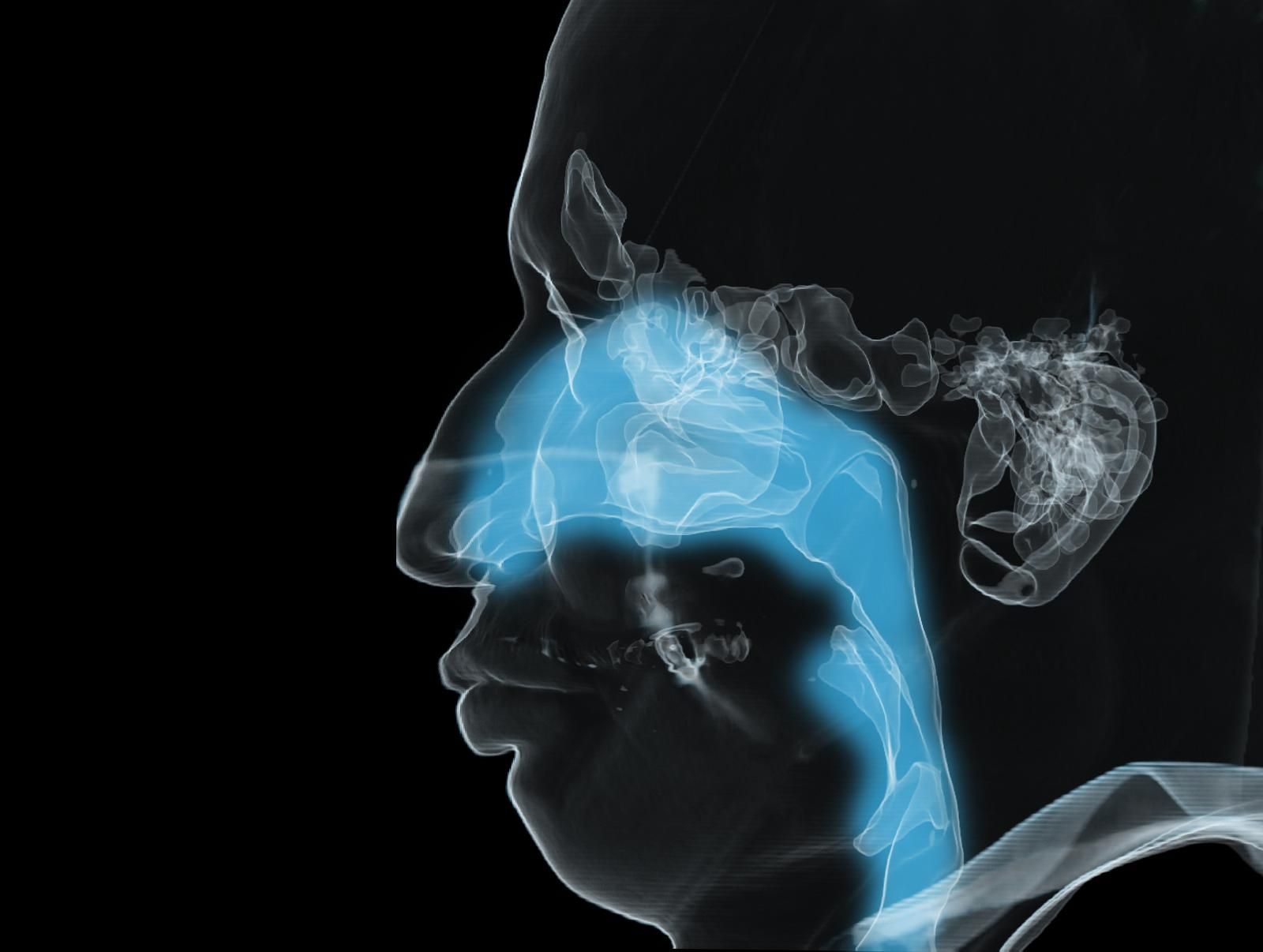
Despite its clinical significance, the loss of smell in airway disease is sometimes overlooked during the management of sinusitis and other respiratory illnesses. Patients with sinus inflammation often struggle to regain their sense of smell for months or, in some cases, years while undergoing various treatments. Anosmia in chronic rhinosinusitis (CRS) could indicate blockage, inflammation-induced neuronal injury, or structural abnormalities in the nasal passages which may require more complex treatment.
How Common Is Smell Loss in Sinus Disease?
A systematic review and meta-analysis found that the overall prevalence of smell loss among patients with chronic rhinosinusitis was nearly 73 percent, meaning nearly three-quarters of people with CRS experience some form of smell loss. Although a significant portion of that group had been diagnosed with asthma or reduced lung function, olfactory assessment rarely appears in standard care protocols.
Another review found that around 65% of patients with chronic rhinosinusitis experience olfactory dysfunction. Severe loss of smell was associated with nasal polyps, higher CT inflammation scores, and older age. In addition, disease severity correlated with greater prevalence and degree of smell loss in patients.
Eosinophilic Inflammation and Olfactory Reduction
In some cases, the cause of chronic sinusitis and loss of smell may be worsened by eosinophilic inflammation. Harmful proteins released by eosinophils can damage nasal tissues, induce swelling, reduce the ability to smell, and contribute to polyp growth.
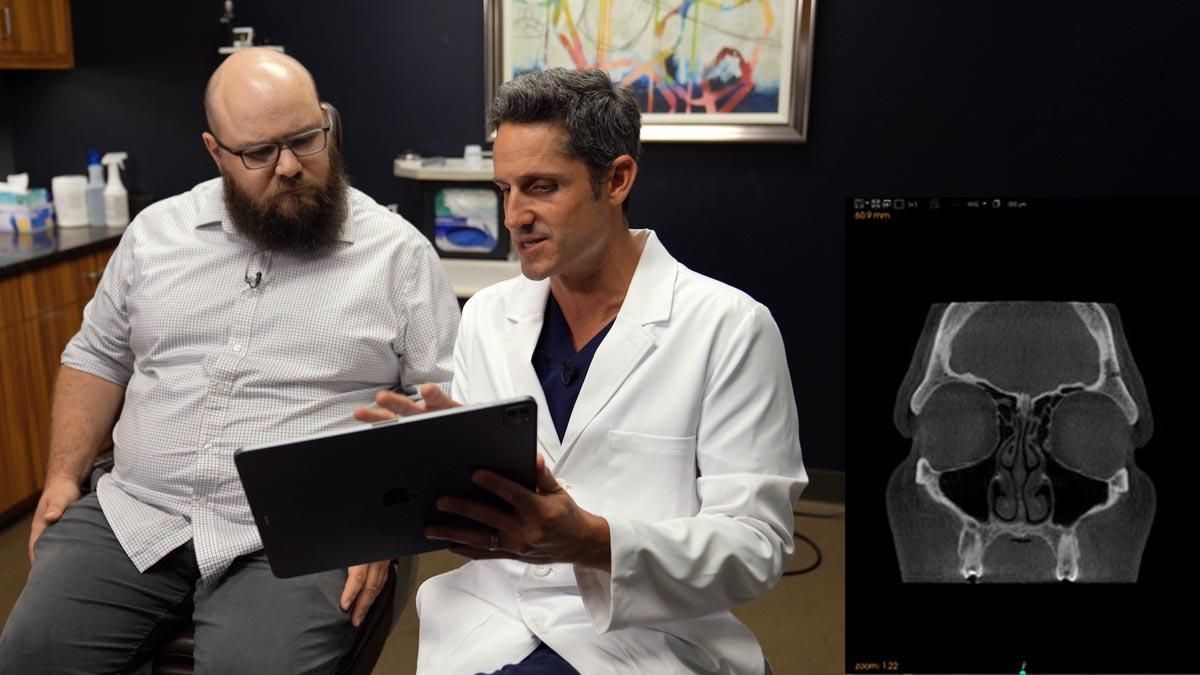
Blood work measuring eosinophil levels is suggested for patients with long-term olfactory dysfunction. If nasal polyps are detected, a tissue biopsy of the polyps or the sinus lining can help confirm a diagnosis of eosinophilic inflammation. CT scans provide information on inflammation severity and polyp growth, while sputum analysis can detect airway eosinophils for asthma-related cases. Additional allergy testing may help pinpoint what is driving the inflammatory response.
When Smell Loss Persists: The Case for Imaging and Surgery
Unresolved smell loss warrants further investigation when standard chronic sinusitis treatments fail to restore olfactory function. A patient who hasn't regained smell following corticosteroid or antibiotic courses should be evaluated with imaging of the olfactory cleft, as CT-confirmed obstruction suggests an inflammatory cause. Studies show that patients with nasal polyps and allergies report the poorest smell-related quality of life. Endoscopic sinus surgery produces significant improvements, with the greatest gains seen in those with more severe airway disease on imaging.
The Growing Role of Biologic Therapy in Chronic Rhinosinusitis-Related Loss of Smell
Biologics have substantially changed treatment outcomes for those with chronic loss of smell caused by Type 2 inflammation. The biologic dupilumab consistently restored olfactory function rapidly and sustained improvement over time, as shown across both phase 3 trials. In addition, a post hoc analysis of the SYNAPSE trial found that mepolizumab improved perceived smell in patients with severe refractory CRS with nasal polyps.
To learn more about unified airway disease and the specialists working to improve outcomes, visit
Snotforce.org today.