
Bridging the Gap Between Airway Research and Real-World Practice
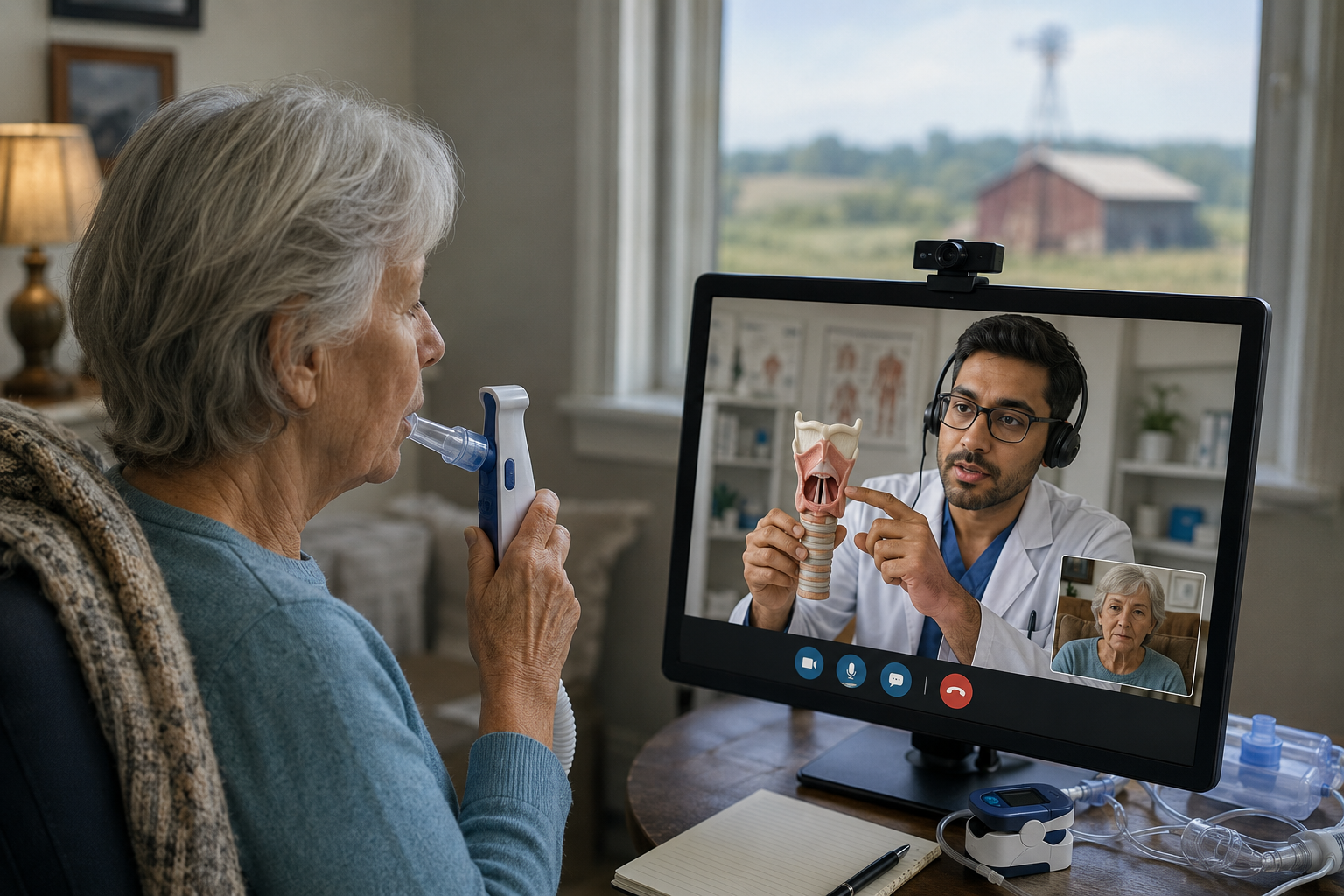
Airway science has advanced significantly in the last several decades through improved understanding of airway diseases and the development of targeted therapies. Unfortunately, the discovery of new therapies doesn't always lead to fast adoption in clinical settings. Delayed implementation of effective therapies leaves patients struggling to manage their conditions.
It's best when physicians use translational airway research to adopt new strategies quickly. Providing the latest evidence-based sinus care can help patients breathe more easily.
Snot Force can help.
Airway Research Has Evolved Rapidly
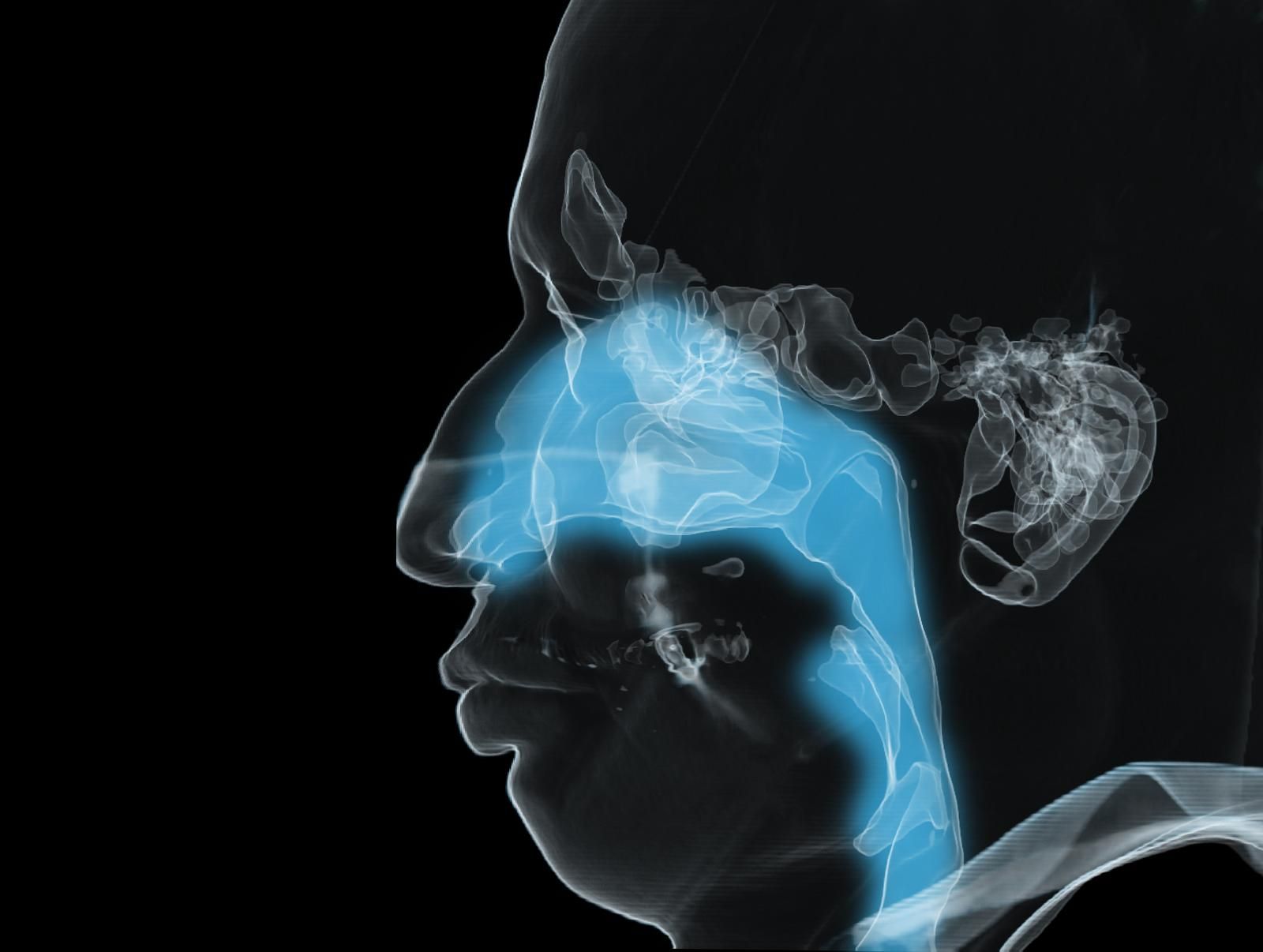
Translational airway research has evolved rapidly in the last several years with advances in biologic therapies and improved surgical techniques. There has also been an increased awareness that airway problems are relevant to multiple specialties, and physicians must collaborate to provide excellent patient care.
Why Research Doesn't Always Translate to Clinical Practice
There are many reasons why new research doesn't always translate to improved clinical practice.
Barriers in Clinical Settings
Clinicians are overloaded with information and short on time. Doing things a new way requires intentional research and time to implement, and unfortunately, many physicians are unable to quickly integrate new findings into their practices. Additionally, many physicians lack access to new technologies and diagnostic tools.
Communication Gaps
In addition to the barriers in clinical settings, there is limited dialogue between disciplines. Physicians often practice in silos, and the channels for disseminating information are inconsistent at best.
The Importance of Collaboration
Airway disease is treated by multiple types of physicians. This overlap means that the best care models are collaborative, allowing physicians to provide coordinated care and improved outcomes for patients.
Physicians can collaborate on patient care in various ways. Some physicians operate in multidisciplinary airway clinics that bring together doctors of different types to collaborate for the good of their patients.
Doctors can also collaborate through cross-specialty case conferences and joint research initiatives. Both efforts can lead to breakthroughs that ultimately improve patient care.
Strategies to Close the Gap
There are many things that physicians can do to close the gap for their patients.
- Disseminate knowledge: Physicians can participate in cross-disciplinary educational programs that help disseminate knowledge across fields of medicine.
- Build collaborative networks: Shared research and clinical initiatives help physicians build their networks and their knowledge base.
- Integrating research: Physicians need more opportunities to gather information and integrate it into their practice. Collaborations with other physicians can help doctors see real-world examples of how this is being done.
How Snot Force Makes a Difference
Snot Force serves as a bridge between research and clinical practice by bringing together doctors for collaborative experiences. We support innovation in airway medicine and surgical procedures, and strive to support the exchange of information between doctors.
Our research collaborative brings together many professionals from a wide range of backgrounds and geographic locations to facilitate collaborations and partnerships. We're building networks to help patients thrive. If you're interested in joining the force, contact Snot Force today.