
Standardizing Communication Across ENT, Allergy, Pulmonology, and GI Specialties
This is a subtitle for your new post

Key Takeaways
- Standardizing communication across multiple specialties improves care efficiency and patient outcomes.
- Clear handoffs and shared documentation, along with structured workflows, help teams stay aligned.
- Strong, coordinated teams make complex airway care more predictable and effective.
Managing patients with nose, sinus, airway, or gastrointestinal conditions can be complicated due to overlapping symptoms or conditions that touch multiple specialties. Inconsistent communication can lead to redundant tests, delayed treatment, gaps in patient care, and other issues.
Standardizing communication means care coordination healthcare teams can share essential information and align treatment plans, ensuring patients move smoothly through evaluation and follow-up.
Why Interdisciplinary Communication Matters
Communication is the backbone of effective multi-specialty care. Teams that communicate clearly avoid errors and reduce delays, while improving patient outcomes.
Key strategies include:
- Early involvement of relevant specialists to ensure everyone has the same baseline information
- Shared documentation and structured handoffs to prevent missed details
- Regular multidisciplinary case reviews to discuss high-risk patients and refine care plans
- Coordinated follow-up to ensure treatments are implemented consistently
When the care team communicates consistently, patients receive better care — and each specialist can focus on what they do best without redundancies or confusion.
Emerging Approaches to Integrated Airway Care
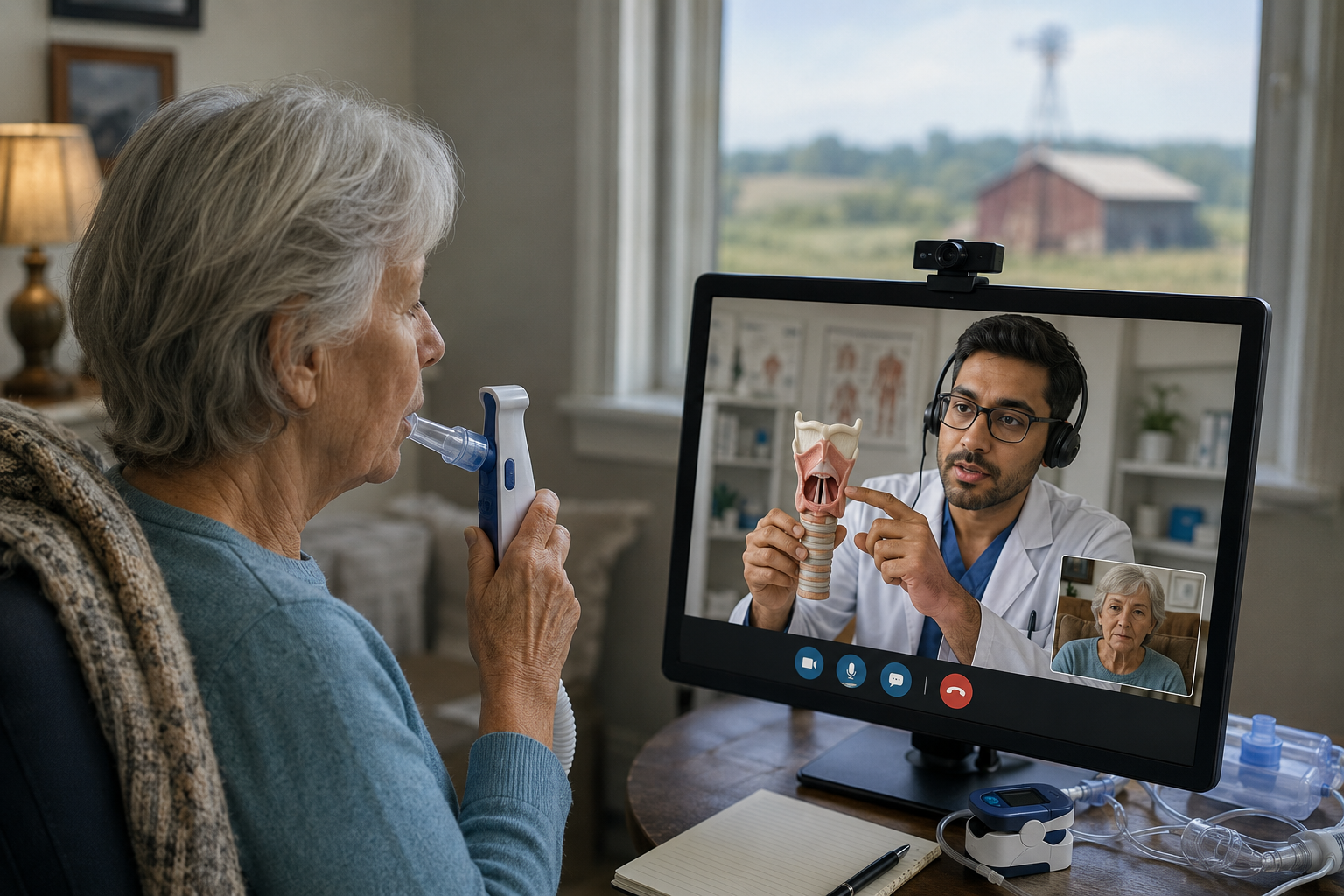
Standardizing communication involves using tools and processes that keep the entire team aligned. Telehealth, patient dashboards, shared outcome tracking, and similar tools allow teams to stay updated between visits and communicate as needed. Using patient-reported outcomes collaboratively also helps all specialists adjust treatments in real time.
These trends support structured, standardized communication to improve efficiency and reduce redundant interventions, while supporting patient-centered care across disciplines.
Strengthening Multi-Specialty Airway Teams
Effective complex airway care teams make it easier to deliver comprehensive care while addressing patients’ unique needs efficiently. A few strategies to support seamless communication include:
- Clearly defining each specialist’s role to reduce overlap or confusion
- Coordinating perioperative and follow-up protocols so information flows smoothly
- Using centralized dashboards to track medications, symptoms, next steps
- Promoting knowledge sharing across specialties to support best practices
Advancing Care Through Standardized Communication
Standardizing communication across ENT, allergy, pulmonology, and GI specialties ensures consistent patient care that’s more precise and timely. Structured workflows, shared documentation, regular multidisciplinary touchpoints, and similar practices help teams anticipate complications and reduce errors, while delivering more coordinated care.
Are you looking to strengthen communication and connect with peers or access expert insights? Join the Snot Force Alliance for resources and connections that are designed to advance airway care and support high-functioning, collaborative teams.