
Objective Measures vs. Patient-Reported Outcomes in Sinonasal Disease
Key Takeaways:
- Objective measures for sinonasal disease often fail to match patient-reported outcomes because they don't factor in external data, like a patient's medication schedule.
- Better sinus disease assessment starts by combining the two measures and ensuring that you have a solid understanding of the patient's everyday life.
- Sinonasal outcome measures can be improved when you can consult with ENT doctors with an array of experiences treating sinus diseases.
Sinonasal disease can be tricky to treat. Whether caused by allergies or bacteria, ENT doctors start with one expectation but may quickly see a progression to a very different reality. Here, we’ll look at what’s usually behind the discrepancy and how a stronger network can help the two measures meet.
A Tale of Two Scores
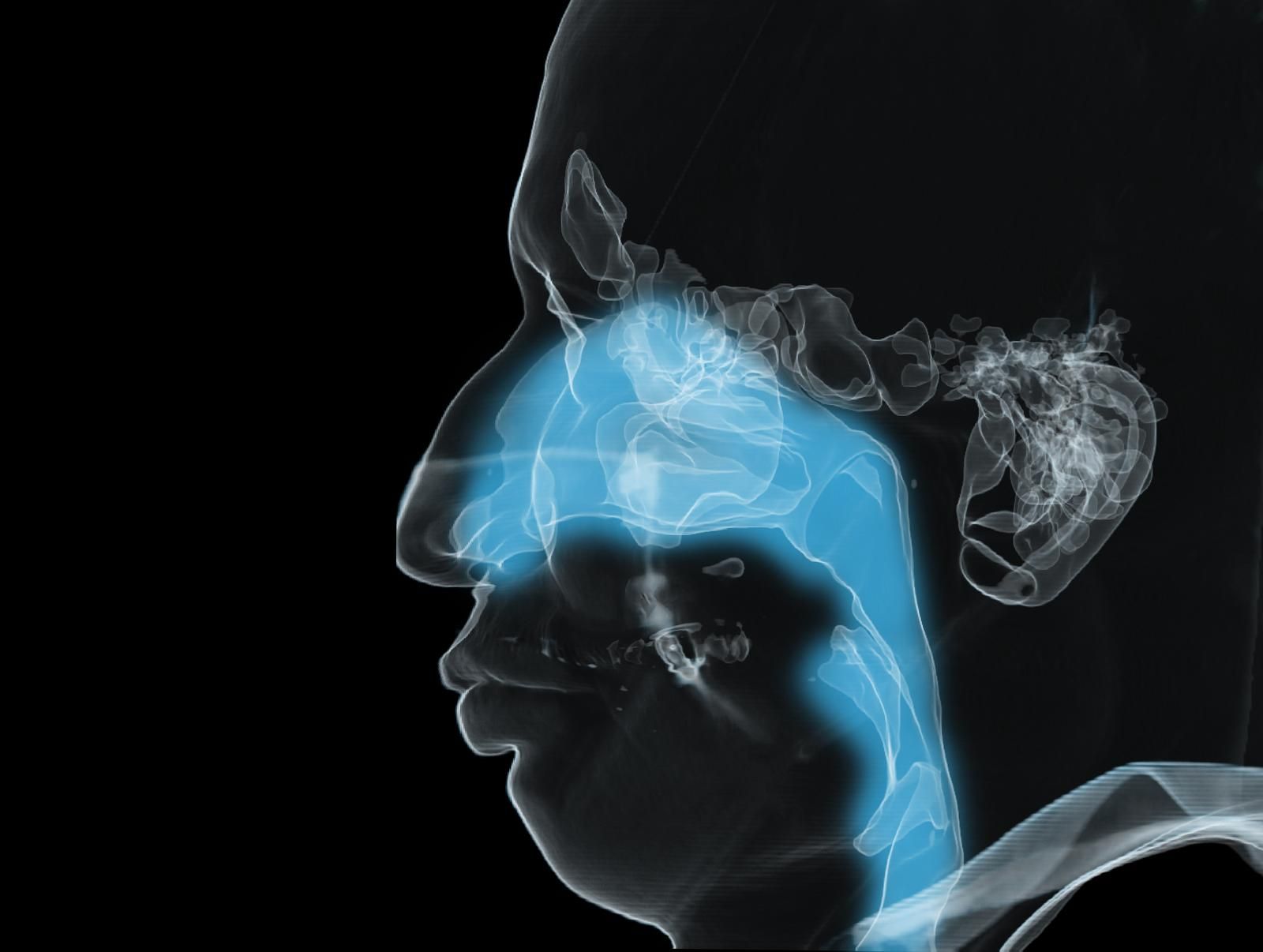
Objective measures scores and patient-reported outcome scores are consistently inconsistent. Objective measures tend to focus on the most obvious metrics, like the size of a polyp or the viscosity of the patient’s mucus.
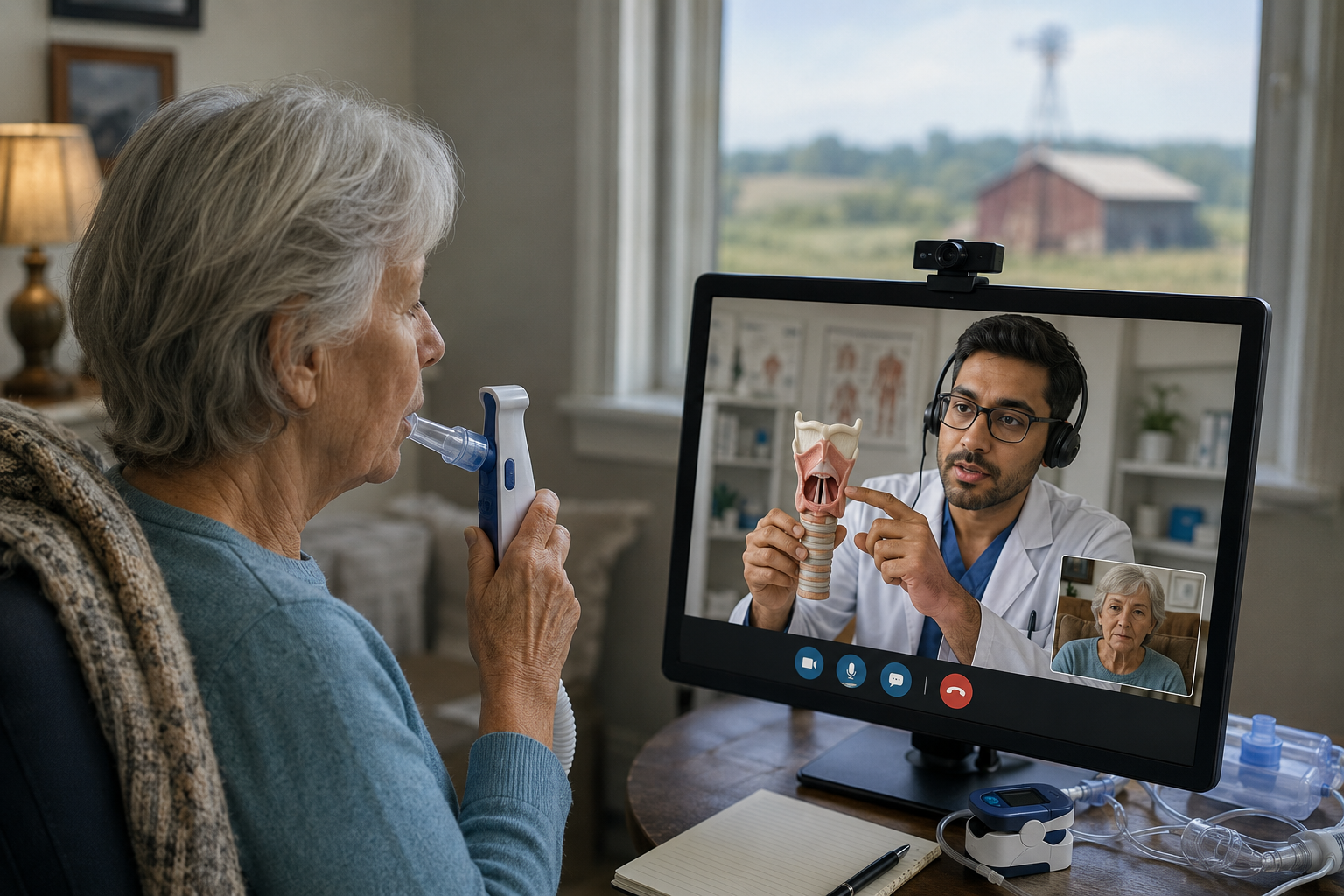
Patient-reported outcomes tend to represent a much more nuanced view of the situation. Medications, habits, sleep quality: these are all separate factors that can influence the eventual outcome of sinonasal disease. If ENT doctors are only basing their recommendations on objective measures, they can miss why the patient is failing to see relief.
Best Practices for ENT Doctors
The best way around the problem is to combine both measurements, which may mean spending more time taking a patient history or asking the right questions. You might also impart to the patient why it matters that they share more about their everyday lives. For example, if a patient becomes less tolerant to pollen as time goes by, it can help an ENT doctor figure out a better course of action.
Consulting with Your Network
Considering the ongoing differences between objectives and patient reports, it can help to compare notes. So, if you administer T-cell therapy and the result is CRS as a patient- reported outcome, you can talk to fellow healthcare experts to work through how to handle the next patient who is at risk for CRS.
The Snot Force Alliance brings professionals together to share their strategy for all airway inflammation. The more you work with our ever-growing network, the more you can get a sense of how new technology and approaches play out in everyday situations. If you want to face sinonasal disease without the nagging doubts in the back of your mind, join today!
FAQs
How do patient reported outcomes compare to objective measures?
While there are few official numbers, the general understanding is that objective measures cannot accurately reflect real-world outcomes. Patients are considered more reliable sources because they're providing assessments of real-time symptoms.
What are the best practices for ENT doctors?
ENT doctors are meant to use both metrics for a better result. Objective measures undoubtedly reveal helpful information about a patient's progress and their reaction to the treatments. However, if a patient is also reporting that their symptoms have not abated, ENT doctors need to factor this into their next recommendations.