
Preparing the Next Generation of Clinicians for Complex Airway Disease
Why Airway Disease Education Requires Interdisciplinary Training
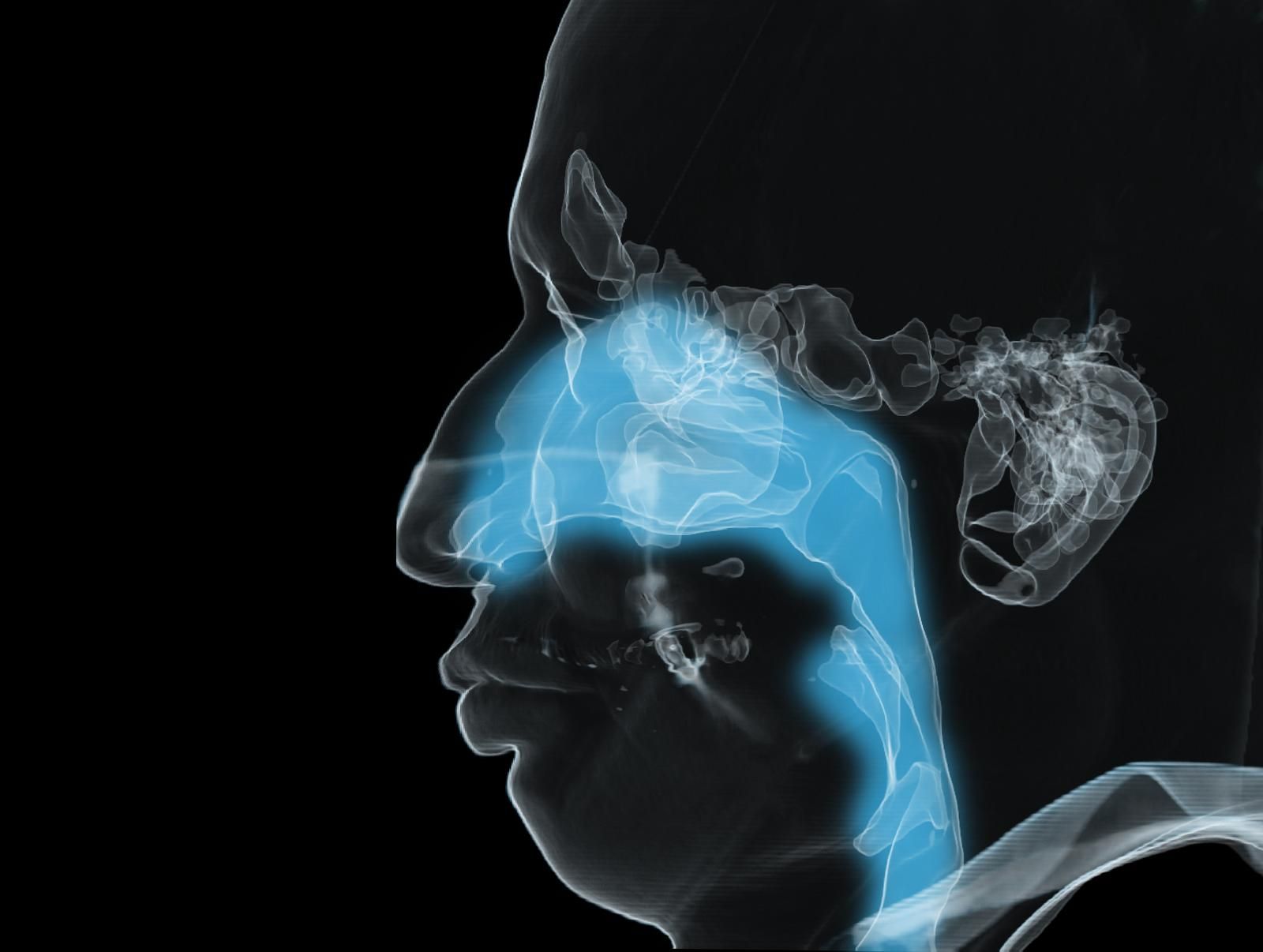
Chronic rhinosinusitis (CRS), asthma, eosinophilic inflammation, and nasal polyposis often coexist because they share underlying inflammatory pathways, particularly type 2–mediated immune responses, rather than occurring as independent processes. When upper and lower airway diseases are managed independently, common immunologic drivers and coordinated treatment strategies may be overlooked. Airway disease education that integrates the shared inflammatory pathways and frequent coexistence of these conditions is essential to comprehensive patient care.
Why Interdisciplinary Training Produces Better Diagnostic Accuracy
Otolaryngologists, allergists, pulmonologists, and primary care physicians all encounter conditions that cross anatomical and clinical specialty lines, yet most residency programs continue structuring airway disease education around specific medical specialties. ENT multidisciplinary training equips clinicians with a comprehensive foundation in shared airway disease management early in their careers, before incomplete diagnostic approaches become entrenched in clinical practice.
Biologics and Phenotyping: A Critical Knowledge Gap
Biologic therapy is one of the fastest evolving areas in airway medicine, yet many physicians enter independent practice unprepared or underprepared to prescribe it confidently. Clinician education in CRS must include structured training in eosinophil phenotyping and biologic selection, two areas rarely covered with adequate depth in standard airway disease education programs.
Several biologic therapies are FDA approved for the treatment of severe asthma, including omalizumab, mepolizumab, reslizumab, benralizumab, dupilumab, tezepelumab, and depemokimab. Several biologics are also FDA approved for chronic rhinosinusitis with nasal polyps (CRSwNP), and additional biologic therapies are under investigation for asthma, CRS, and other inflammatory airway diseases. As the use of these agents continues to expand, multidisciplinary education in biologic therapies is becoming an increasingly important component of otolaryngology training.
Simulation and Case-Based Learning Improves Clinical Diagnosis
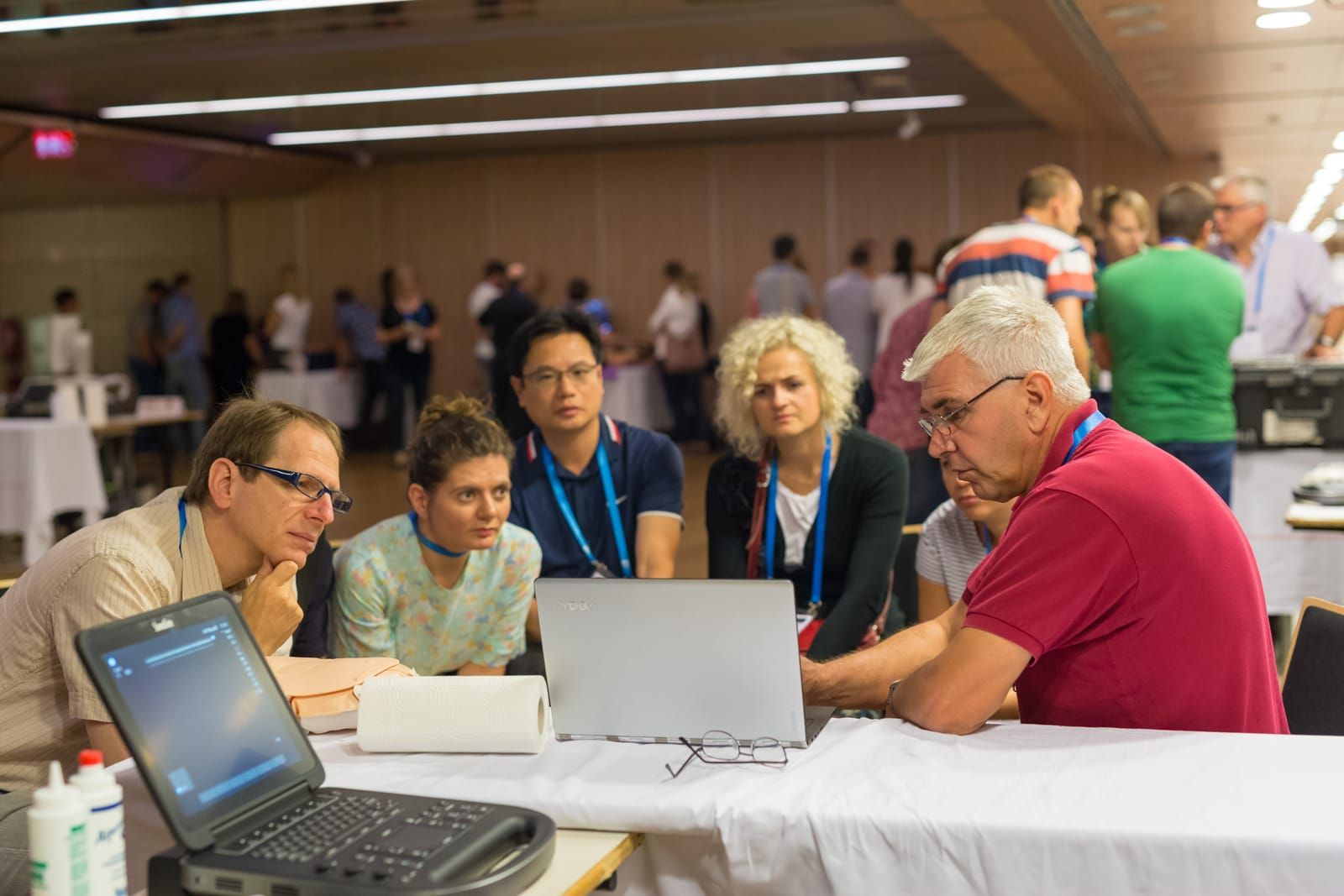
Simulation, case-based learning, and multidisciplinary conferences convert knowledge into diagnostic precision and treatment accuracy. ENT multidisciplinary training models uniting otolaryngology, allergy, and pulmonology specialties in shared clinical settings have shown particular promise in building diagnostic accuracy and treatment confidence.
Priority research areas include head-to-head biologic comparisons, cost-effectiveness analysis, standardized protocols for biologic initiation, dose adjustment and discontinuation, and the integration of biologic therapy with endoscopic sinus surgery and biomarker-driven precision medicine.
The Role of Research Collaboration in Clinical Development
Integrating research participation into airway disease education produces clinicians who approach diagnosis and treatment with greater rigor and intellectual depth. The direct cost of CRS in the U.S. is estimated at between $10 and $13 billion per year, with indirect costs from lost productivity exceeding $20 billion annually.
The increasing complexity of airway disease diagnosis and treatment has consistently outpaced the clinician education CRS training needed to address it. Cross-specialty research collaboration between otolaryngology, allergy, and pulmonology is essential to closing that gap. Shared investigative work across these disciplines generates more clinically relevant findings than any single specialty can produce independently, and exposes physicians to the full diagnostic and therapeutic spectrum of airway disease.
Institutions that integrate cross-specialty research partnerships graduate clinicians better prepared to interpret emerging data, evaluate new biologics critically, and apply precision medicine principles essential for improving patient outcomes.
Raising the Standard for Complex Airway Disease Training
The Snot Force Alliance was created to mobilize specialists from multiple disciplines to collaborate, share research, and improve outcomes. To learn more about the clinicians working to raise that standard, visit Snotforce.org.