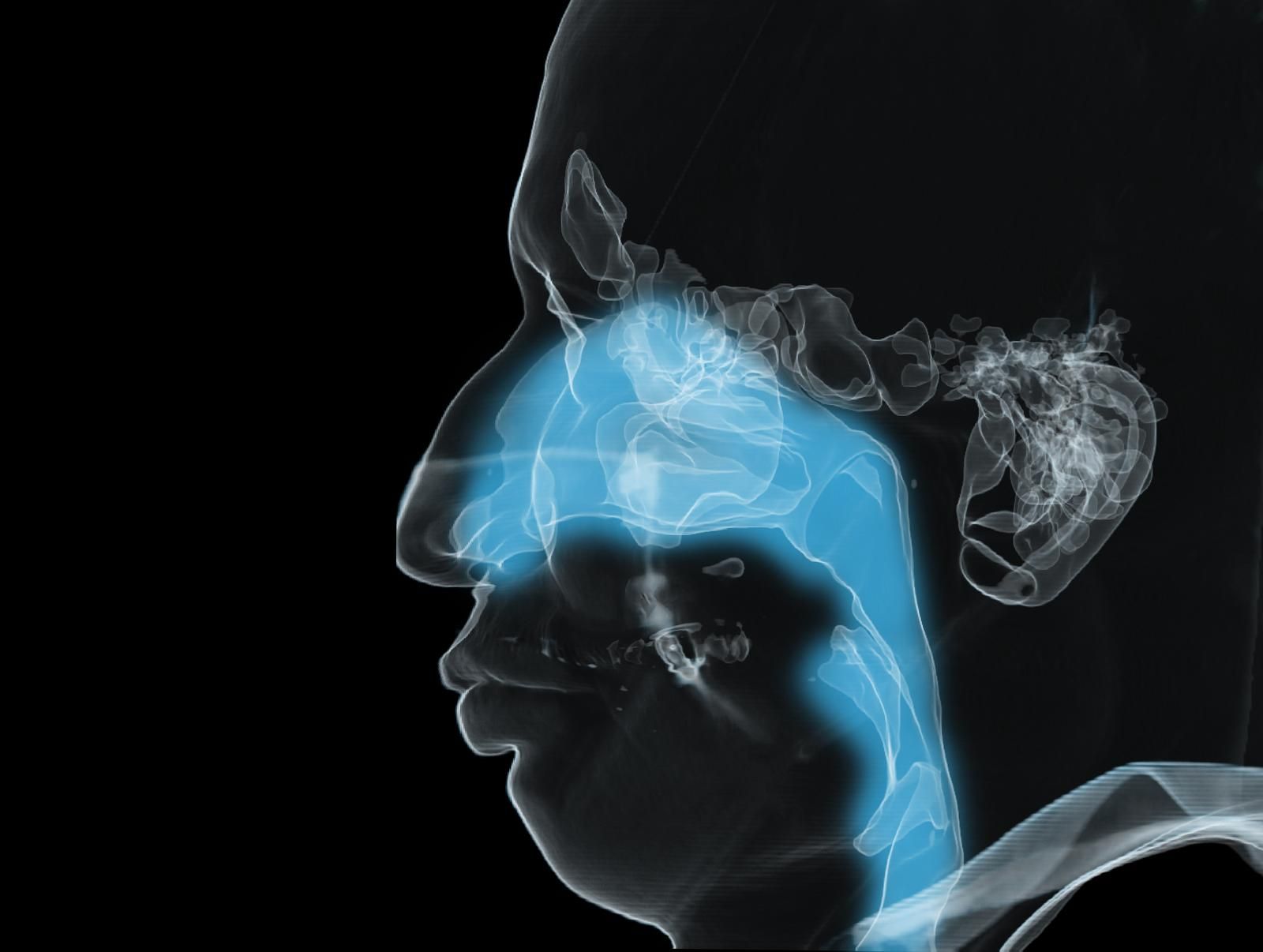

Where Is Unified Airway Care Headed in the Next Five Years?
Key Takeaways
- Cross-specialty care teams are helping maximize the benefits of a unified airway model
- Biologics are reshaping how chronic airway disease is diagnosed and treated.
- Adoption of multidisciplinary approaches to chronic airway disease trends will hold a decisive advantage in treatment outcomes.
Defining the Future of Airway Care
Upper and lower airway diseases share a common inflammatory biology, yet many physicians still treat them as unrelated conditions to be managed by separate specialists. Chronic airway disease trends are now forcing that disconnect into full view. Cross-specialty coordination, shared diagnostic frameworks, and unified treatment pathways are no longer aspirational. Instead, they are the standard the evidence has been pointing toward for over a decade, and the practices not yet aligned with that standard could be stagnating patient outcomes.
The Unified Airway Model Is Gaining Scientific Ground
A January 2026 review reinforced what many doctors already observe in practice—that airway inflammation represents a single, interconnected process rather than isolated compartmental pathology, with type 2 inflammation (driven by IL-4, IL-5, and IL-13) playing a central role across upper and lower airway disease. Moreover, clinicians who continue treating upper and lower airway conditions as independent diagnoses may be working against both the biology and the data.
Over the next five years, expect otolaryngologists, pulmonologists, allergists, and immunologists to increasingly engage in shared treatment plans. Institutions building multidisciplinary airway programs now will hold a measurable advantage in outcomes, in efficiency, and in their capacity to adopt emerging therapies.
Rethinking Chronic Airway Disease Trends with Biologics
No development is reshaping chronic airway disease trends more decisively than the expansion of biologic therapies. Dupilumab, mepolizumab, benralizumab, and others are demonstrating benefits across multiple airway phenotypes simultaneously, which map directly onto the unified airway framework. A comprehensive review of future directions in the unified airway model identifies biologics, JAK inhibitors, and synthetic peptides as central to the trajectory of targeted therapeutics, alongside emerging interest in type 3 inflammatory pathways and refined diagnostic biomarkers.
Precision care is replacing reactive treatment. Physicians are no longer asking simply whether a patient has asthma or chronic rhinosinusitis. Instead, they investigate the shared inflammatory driver underlying both and the therapeutic target that addresses the full disease burden. Practices building diagnostic infrastructure around structured endotyping, eosinophil tracking, and coordinated imaging review will be positioned to move quickly as next-generation therapies gain approval.
Collaboration Validates the Unified Airway Model
Integrated and evidence-based patient assessments require earlier engagement across disciplines, shared diagnostic documentation, and care plans designed around the complete airway system. Physicians who wait for a referral to initiate collaboration are delivering fragmented care that directly compromises patient outcomes. Shared endotyping data, coordinated biologic selection, and unified follow-up documentation comprise the fundamentals of managing complex airway diseases.
Get Involved with the Future of Airway Care Today
Physicians who are already working across specialties, contributing to shared research, and shaping emerging frameworks are determining the direction chronic airway disease trends will take. Joining Snot Force gives you direct access to the researchers producing the data, the clinicians applying it, and the protocols under discussion for the new unified airway model. Register today!