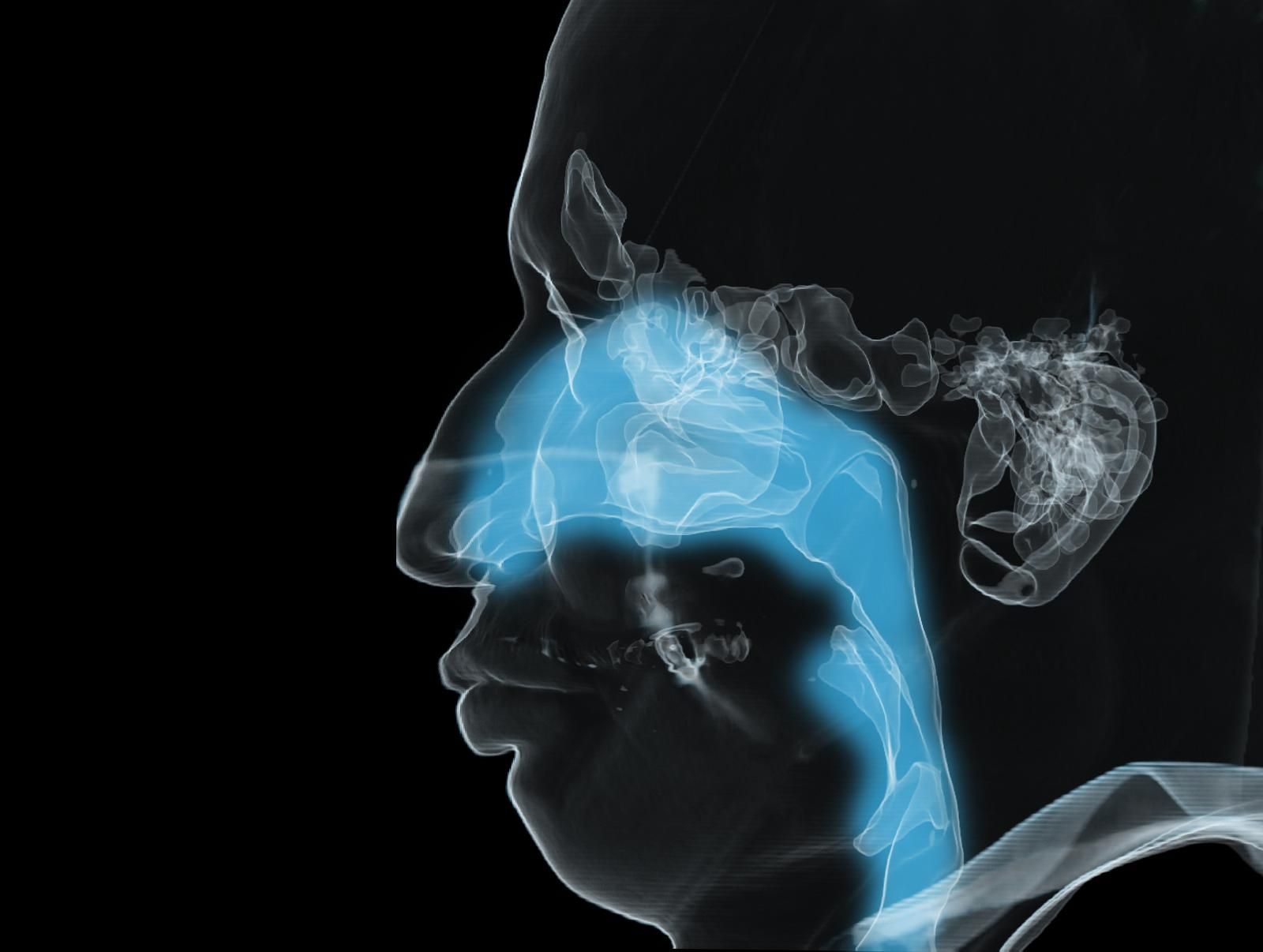
Ethical Considerations in AI-Guided Airway Care
How Does AI-Guided Airway Care Work?
AI-Guided airway care refers to any use of machine learning to improve the management of respiratory disorders. So, if a patient has a particularly complex airway, an ENT might use AI to better predict which path to take.
What Are the Ethical Considerations of AI-Guided Airway Care?
The ethical considerations surrounding medical AI are evolving alongside the technology itself. However, many of the fundamental concerns are familiar to the medical community.
Clinical Judgment and Human Oversight
AI should support, not override, an ENT specialist's clinical judgment.
AI-generated recommendations are based on the information available to the system and the data on which it was trained. They may not account for every aspect of an individual patient's circumstances.
Clinicians should therefore maintain appropriate oversight and consider AI recommendations alongside the patient's medical history, examination, preferences, and other relevant clinical information.
Bias and Diversity
AI systems can reflect biases present in the data used to develop and train them. If certain populations are underrepresented in research or clinical datasets, an AI system may not perform equally well across all patient groups.
This makes diversity in research, data collection, testing, and validation particularly important. Clinicians should also recognize that population-level patterns do not necessarily apply to every individual patient.
Informed Consent and Patient Autonomy
Patients have a right to understand the benefits, risks, and alternatives associated with their medical care. When AI plays a meaningful role in clinical decision-making, healthcare professionals may need to consider how and when that use should be communicated to patients.
Patients should also have the opportunity to ask questions and participate in decisions about their care whenever circumstances allow.
Emergency situations can be different. For example, if an airway emergency requires immediate intervention and a patient cannot provide informed consent, clinicians may need to act according to established emergency medical and ethical standards.
Safety, Testing, and Validation
AI tools used in healthcare should be appropriately tested and validated for their intended clinical purpose.
Before relying on an AI system, clinicians should understand what the tool has been designed to do, how its performance has been evaluated, and what its limitations are. Ongoing monitoring may also be important because performance can change as technology, clinical practices, and patient populations evolve.
AI should complement—not replace—professional expertise and established standards of care.
Data Privacy and Security
Medical AI systems may process sensitive patient information, making privacy and security critical considerations.
Healthcare organizations should take appropriate steps to protect patient data, including following applicable privacy requirements and using appropriate technical and administrative safeguards. Depending on the system, these safeguards may include access controls, encryption, secure data storage, authentication, and other cybersecurity measures.
Clinicians should also understand what information an AI system collects, where that information is stored, how it is used, and who may have access to it.
Talk to Your Professional Network
As AI becomes more common in healthcare, clinicians will inevitably face questions that do not always have simple answers.
What happens when a clinician's judgment conflicts with an AI recommendation? How should AI involvement be explained during informed-consent discussions? How reliable is an AI-based airway assessment compared with a clinician's evaluation? Who is responsible when an AI-supported recommendation contributes to an unexpected outcome?
These questions are part of a larger conversation about how emerging technologies should be integrated into clinical practice responsibly.
One way to navigate this uncertainty is to build a strong professional network. Talking with colleagues, specialists, researchers, and other healthcare professionals can provide valuable perspectives on how AI is being used in real-world clinical settings and what safeguards may be appropriate.
If you are interested in continuing the conversation about AI, airway care, and the future of ENT medicine, the Snot Force Alliance brings experts together to share knowledge and perspectives on emerging issues in the field.
As AI continues to evolve, the goal should not simply be to adopt new technology. It should be to use technology thoughtfully, safely, and ethically while keeping the patient's needs and the clinician's expertise at the center of care.
Artificial intelligence (AI) is becoming an increasingly important tool in healthcare, including the evaluation and management of complex airway conditions. As these technologies continue to develop, it is natural for clinicians and patients to have questions about how AI should be used—and what ethical considerations need to be addressed.
Whether you are considering incorporating AI-guided airway care into your practice or simply want to have informed conversations with your patients about emerging technology, understanding the ethical issues is an important part of responsible clinical care.
Key Takeaways
- AI-assisted medical decision-making may help clinicians manage complex airway conditions and support clinical decision-making.
- AI-guided airway care is not intended to replace an ENT specialist's clinical judgment. Rather, it should serve as a decision-support tool.
- Although AI is relatively new to clinical practice, many of the ethical questions surrounding its use—such as informed consent, fairness, patient autonomy, privacy, and safety—are longstanding principles in medicine.