
Rural and Underserved Access to Multidisciplinary Airway Expertise
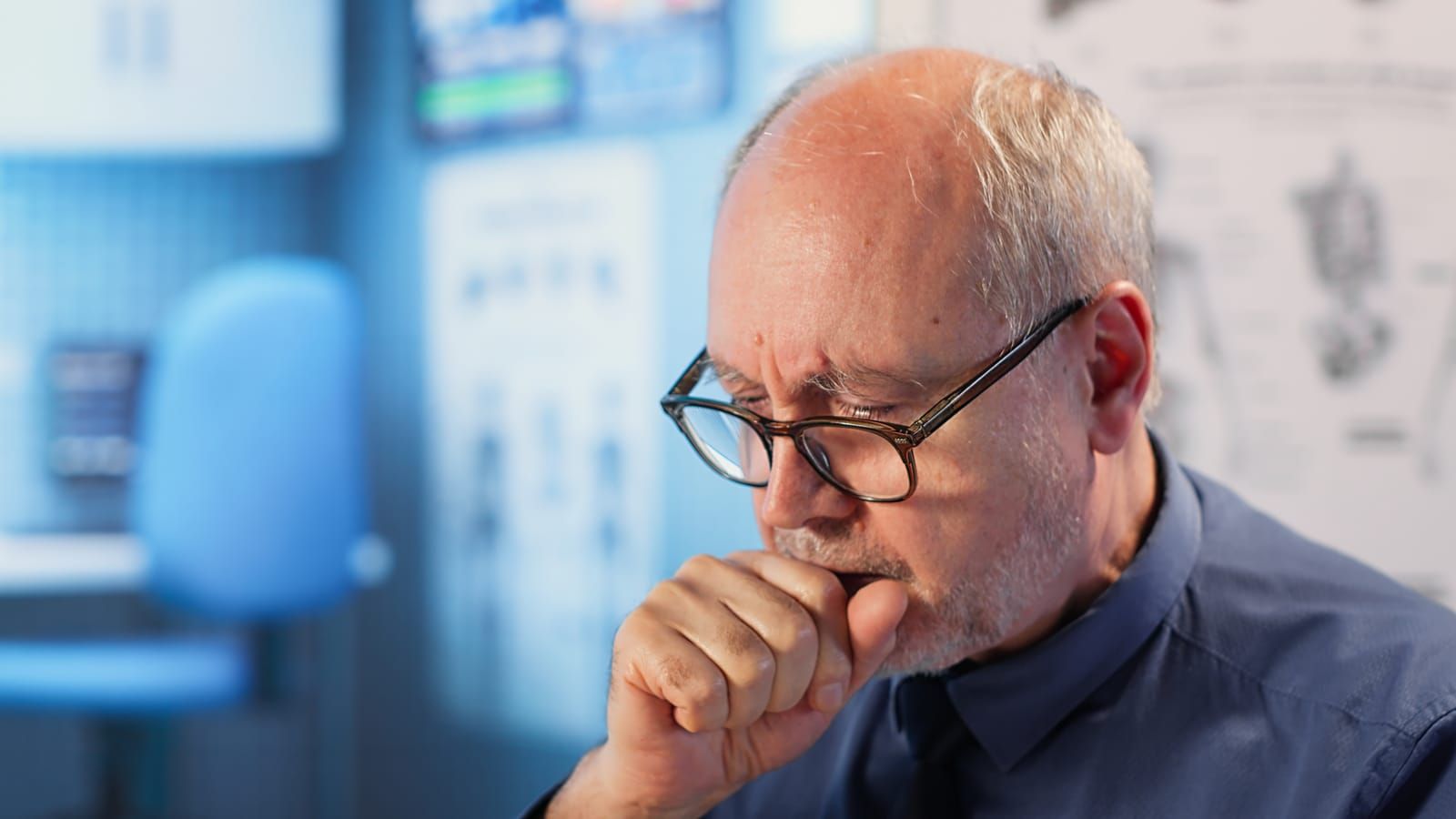
Inflammatory airway diseases can impact a patient's quality of life. Untreated conditions leave patients struggling to breathe, coughing regularly, and feeling unwell for months at a time.
Airway disease management has undergone significant changes in recent years. Treating airway diseases has become increasingly complex, despite improvements in methodologies and technologies. In rural and underserved regions, many patients lack access to specialty care.
Key Takeaways:
- Providing high-quality care to patients with airway disease requires collaboration across specialties.
- It is important to expand rural ENT access and access to multidisciplinary clinics.
- Clinicians in rural communities can improve patient outcomes through collaborations and with creative solutions that expand airway care.
The Need for Multidisciplinary Airway Care
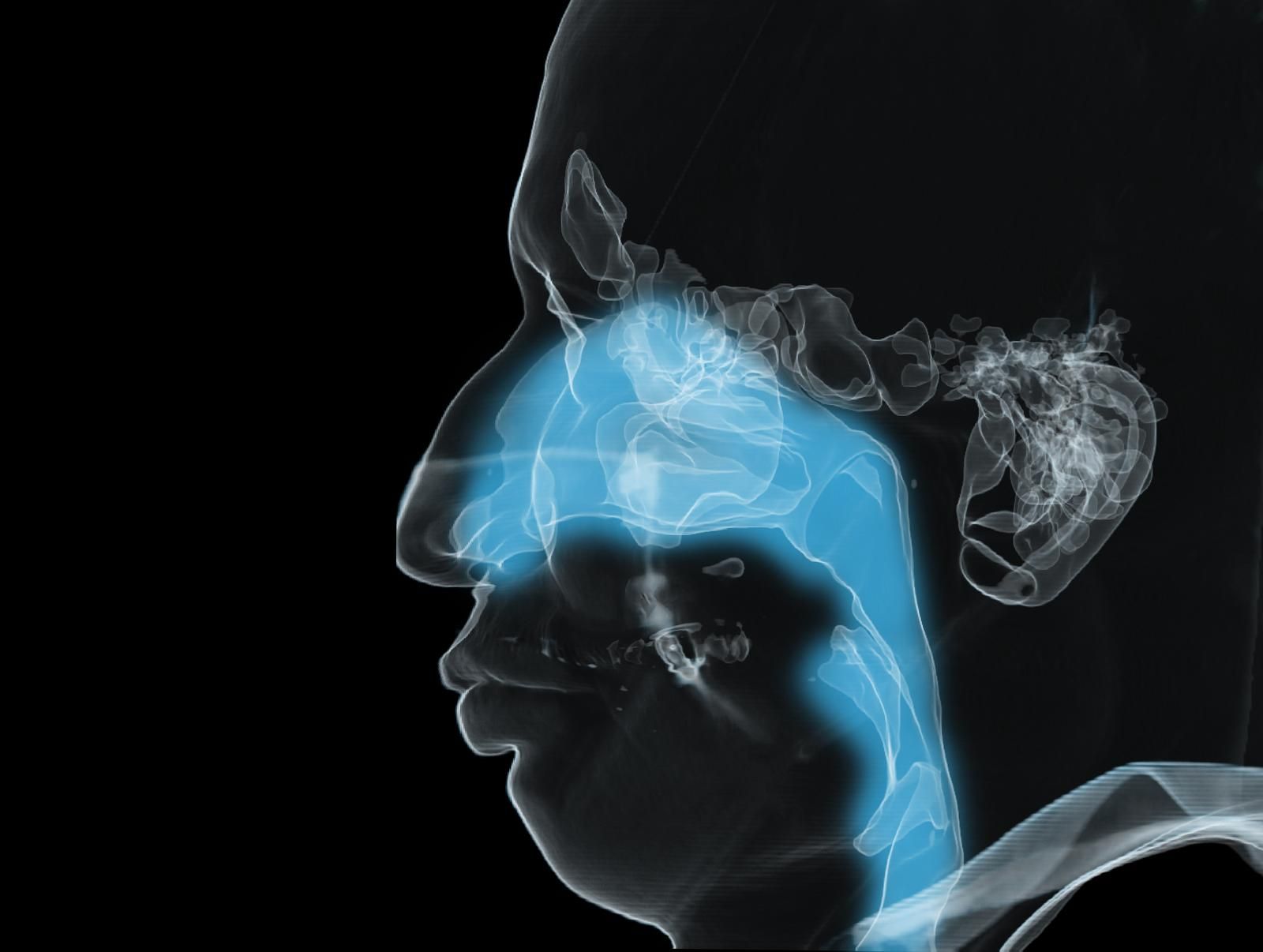
Airway diseases affect multiple systems of the body and thus are treated by different types of physicians. Allergists, primary care doctors, pulmonologists, and ENT physicians all play a role in caring for patients with airway conditions. Physicians who can facilitate multidisciplinary care can improve diagnostic accuracy while also helping to ensure better patient outcomes.
Challenges in Rural and Underserved Communities
Rural ENT access is spotty at best. Many rural areas lack specialty physicians and often, patients must travel long distances to tertiary medical centers where they receive care. As a result, patients with limited transportation options may experience delays in diagnosis and care.
Sometimes, these specialty care disparities can leave primary care providers to manage complex airway conditions on their own. In areas where insurance coverage is limited, and referral networks are fragmented, patients may struggle with their conditions without treatment at all.
The Consequences of These Limitations
Delays in diagnosis and treatment mean poor management of chronic conditions and increased reliance on treatment from acute care settings. Under this system, patients become frustrated as they lean on ineffective treatment methods.
Methods for Expanding Access
There are many methods for expanding access to patients in rural and underserved areas.
Telehealth Airway Care
The use of telehealth treatment has significantly expanded in recent years. With telehealth tools, hybrid care models combine in-person and virtual visits. This same technology also connects doctors, bringing together specialists and community clinicians.
Regional Centers of Excellence
Multidisciplinary airway centers have proven effective for helping patients access specialty care. Airway centers make it easier to streamline referrals in complex cases. These airway centers can serve larger geographic areas by setting up outreach clinics in surrounding communities.
Collaborative Networks
Partnerships and collaborations between physicians are key to ensuring that primary care providers in underserved areas have access to resources and information.
Supporting Rural Physicians
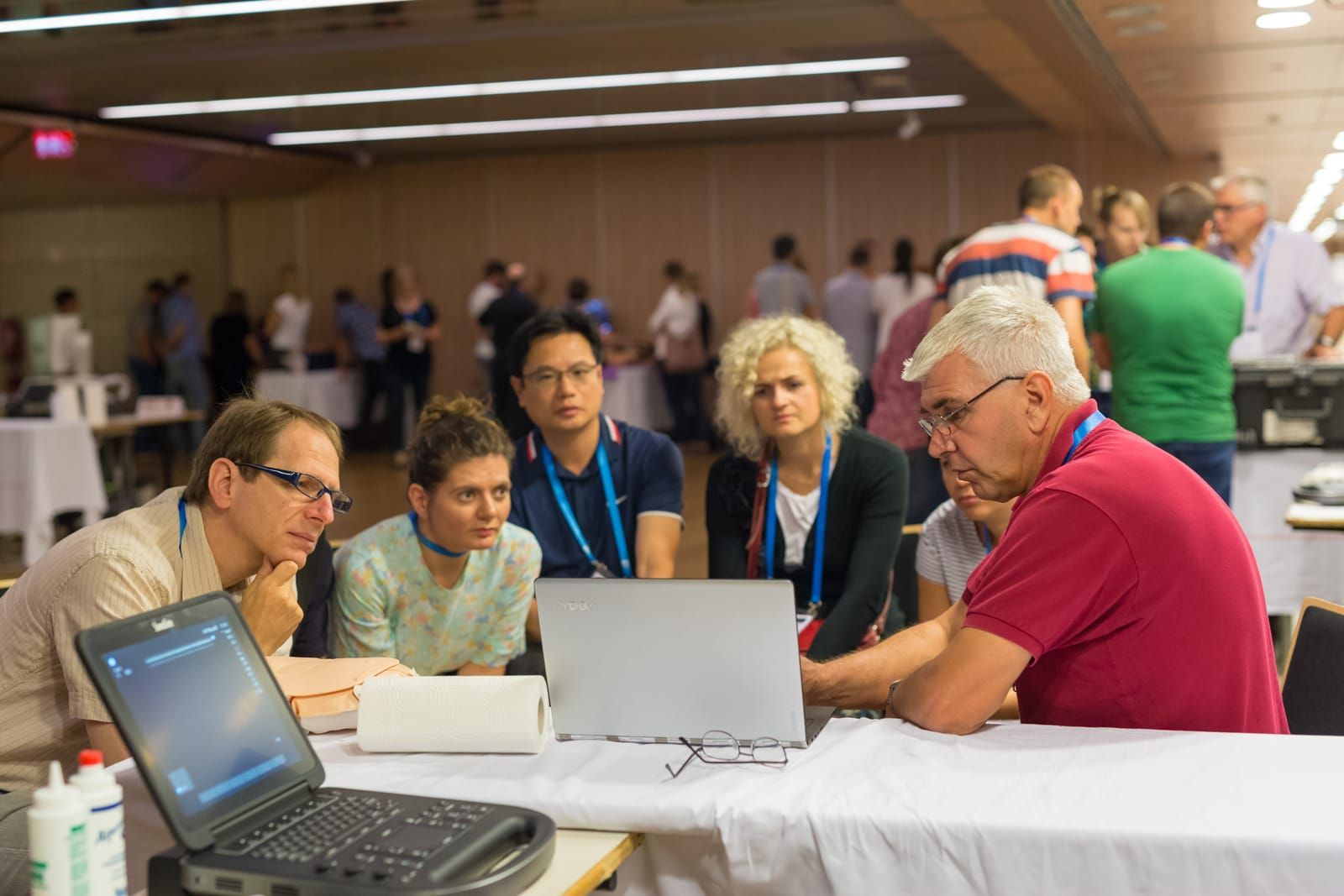
There are many ways to support rural physicians. Snot Force has committed to build networks for physicians, helping to ensure the dissemination of information across specialties and practice settings. We facilitate collaboration between disciplines to promote innovation in care for underserved communities. We're bringing doctors together to break down specialty care disparities and improve rural ENT access and information.
Our research collaborative depends on many medical professionals to participate, and we're always looking for more physicians to join the force. To learn more, contact Snot Force today.