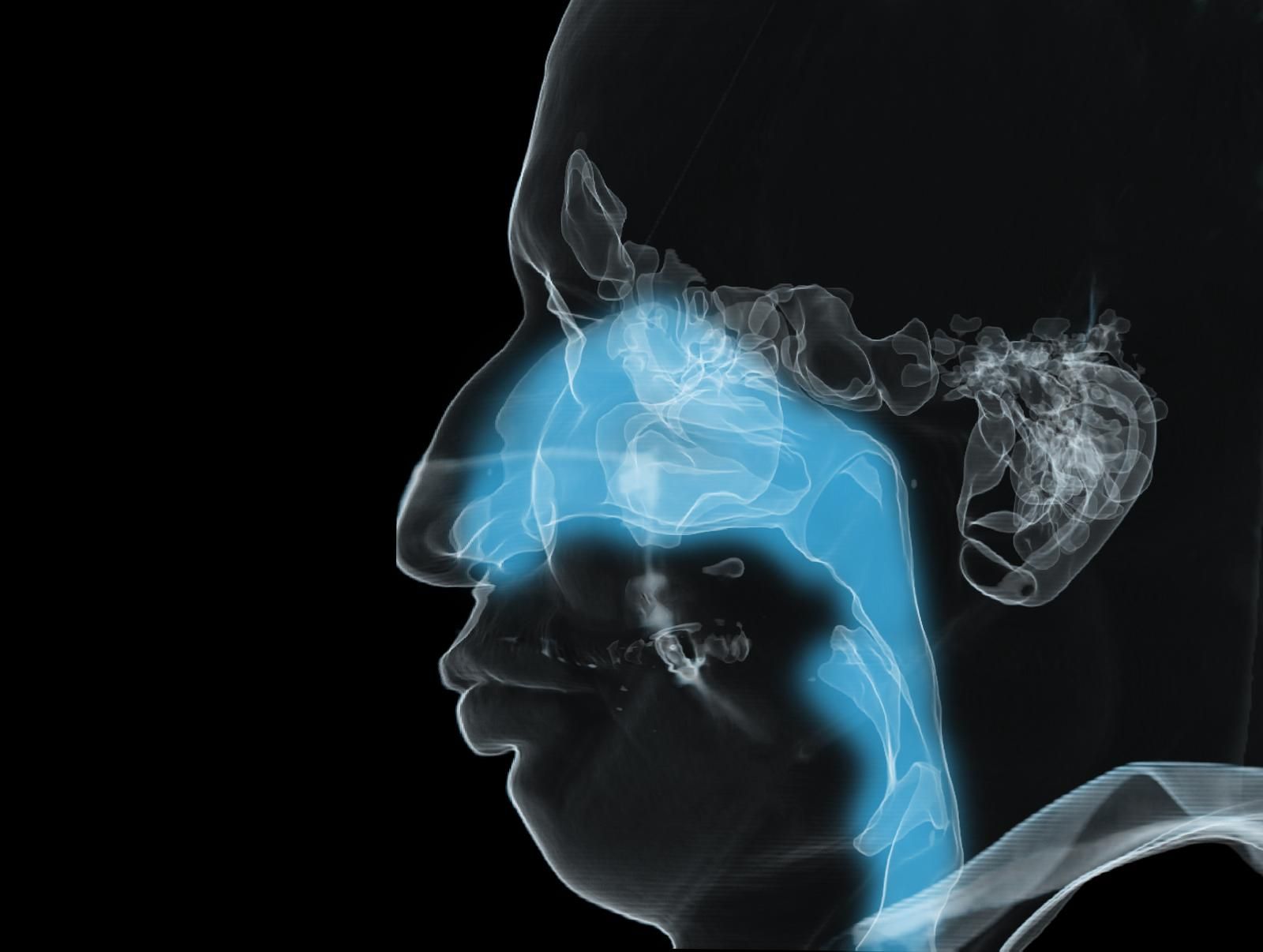
Defining Treatment Failure in Chronic Rhinosinusitis
One of the most difficult inflammatory disorders to treat is chronic sinusitis, mainly due to the complex reasons behind persistent inflammation, anatomical variants, and patient-specific immune responses associated with the disease. When chronic sinus outcomes do not achieve the expectations of the doctor and patient, the definition of CRS treatment failure should be re-examined and expanded to include underlying causes that may have been overlooked, as well as the need for individualized adjustments in diagnosis and treatment.
Refractory Sinusitis Definition and Chronic Sinus Outcomes
Refractory sinusitis is chronic sinus inflammation that fails to improve with typical treatments. Symptoms, such as congestion, facial pressure, nasal discharge, and reduced sense of smell, often last 12 weeks or longer. Causes of refractory sinusitis generally involve a deviated septum, polyps, immune-driven inflammation, allergies, asthma, and less common underlying conditions.
CRS treatment failure may be said to occur after standard approaches fail to provide long-term relief for refractory sinusitis. However, clinicians should reassess the probability of underlying factors, including marginal structural abnormalities, immunodeficiencies, or undiagnosed comorbid conditions, and adjust treatment plans to the patient’s specific health condition to improve symptom control.
Comparing SNOT‑22 and Lund‑Kennedy in Measuring Refractory Sinusitis Severity
Objective measures provide more insight than symptom reports in chronic rhinosinusitis assessment. The Sino‑Nasal Outcome Test‑22 (SNOT‑22) is a widely used patient‑reported questionnaire that summarizes symptom burden and quality of life in CRS patients. However, studies have shown that SNOT‑22 scores may not align adequately with physical findings of disease severity.
In contrast, the Lund‑Kennedy endoscopic score directly evaluates mucosal inflammation, polyps, edema, and discharge seen on nasal endoscopy, offering a more structured objective assessment that can reveal ongoing disease despite modest symptom reports.
Avoiding CRS Treatment Failure to Optimize Chronic Sinus Outcomes
CRS symptoms often emerge from other inflammatory airway conditions, which emphasize the importance of viewing the airway as a unified airway. Asthma, allergic rhinitis, and aspirin-exacerbated respiratory disease are common among CRS patients and can influence disease severity and treatment response.
In cohorts receiving biologic therapy for severe nasal polyps, over 70% of patients have asthma. Assessing the possibility of a CRS treatment failure should involve collaboration among otolaryngologists, allergists, and immunologists. Surgeons focus on anatomical outcomes, while sinus specialists evaluate systemic inflammation. Such teamwork can clarify whether structural issues or advanced medical management guide development of future treatment protocols.
Toward a Standardized Definition of CRS Treatment Failure
Clearer, measurable thresholds for treatment failure would benefit both clinicians and patients. Objective markers, such as persistent endoscopic inflammation, validated symptom scores that have not improved, and ongoing mucosal edema despite maximal medical therapy, provide clinicians with a more reliable basis for deciding when a current treatment plan is ineffective.
Early recognition of treatment failure prevents unnecessary interventions and directs ENT specialists toward therapies that achieve sustained mucosal control and long-term symptom management of refractory sinusitis.
To explore current research, clinical perspectives, and advocacy initiatives surrounding improved chronic sinus outcomes, we invite you to collaborate with the Snot Force Alliance today.