
Choosing Between Surgery, Biologics, and Medical Management

July 28, 2026

For clinicians managing chronic rhinosinusitis (CRS), determining when to escalate treatment remains one of the more nuanced decisions in practice. While many patients achieve meaningful symptom control with topical therapies and intermittent medical management, others continue to struggle despite appropriate treatment, prompting consideration of surgery, biologic agents, or a combination of approaches.


Treatment selection extends beyond a simple algorithm. Inflammatory endotype, anatomic obstruction, comorbidities, prior treatment response, and patient preferences all shape the decision-making process. As evidence evolves, individualized strategies and multidisciplinary collaboration remain essential to optimizing outcomes.

Choosing Medical Management First

Some patients do surprisingly well with medical therapy alone. Saline rinses, nasal corticosteroid sprays, and occasional short courses of oral corticosteroids can reduce inflammation and improve quality of life. In some cases, a brief course of antibiotics may be added if there is evidence of bacterial infection. The AAFP guidelines highlight the value of starting conservatively while carefully monitoring response, a key step in refining CRS treatment decision-making.


The challenge lies in consistently monitoring for other symptoms such as recurring edema, polyp formation, or inflammatory biomarkers, which suggest additional therapy may be warranted. Chronic sinus therapy options should be investigated for their efficacy and potential reactions to a patient’s broader airway disease profile.

Sinus Surgery vs Biologics

Biologics have modified how we approach chronic sinusitis patients who are resistant to conventional treatment. Biologics such as dupilumab, omalizumab, and mepolizumab can reduce nasal polyps, improve airflow, and inform CRS treatment decision-making for type-2 inflammatory disease. Considering chronic sinus therapy options in conjunction with patient preferences and comorbidities supports an effective, whole-person approach that should also account for prior patient response to medications.


Patients with abnormal nasal anatomy or ongoing inflammation that limits response to medical therapy or biologics may benefit from functional endoscopic sinus surgery (FESS). Opening the sinus passages during FESS allows nasal sprays and irrigations to reach inflamed tissue more effectively, which improves the outcome of postoperative medical therapy.


Debates over sinus surgery vs biologics often hinge on the patient’s inflammatory profile and anatomic considerations. Surgery can directly remove obstructive tissue and restore airway flow while biologics target underlying type-2 inflammation. Choosing among chronic sinus therapy options requires consideration of immediate symptom relief, long-term disease control, and patient comorbidities, such as asthma or allergic rhinitis. Integrating clinical findings, prior treatment responses, and patient preferences allows CRS treatment decision-making to be patient specific for optimization of outcomes and patient satisfaction.

Combining CRS Treatment Collaboration Across Specialties

Some of the most complex cases benefit from a tiered approach, such as surgery followed by biologic therapy. Moreover, coordinating care among ENT, allergy, and pulmonology specialists allows CRS treatment decision-making to reflect the patient’s inflammatory profile, prior responses, and comorbidities as diagnosed by other doctors.


Deciding between sinus surgery vs biologics is rarely straightforward, and adjusting therapy usually requires combining interventions with ongoing topical treatments, close monitoring, and adaptive modifications. Specialists working together across disciplines supports more effective disease management and allows early-career clinicians to see CRS treatment decision-making in action as clinicians choose between surgery, biologics, and medical management.

The Future of Chronic Sinus Therapy Options

Advances in precision medicine continue to refine clinical approaches to chronic sinus disease, particularly for patients with complex inflammatory profiles. Registries and endotype profiling help identify which patients are most likely to benefit from surgery, biologics, or medical management, while mentoring new clinicians builds experience in interpreting these data. Additionally, evidence-based platforms and multi-center collaboration give teams the tools to evaluate the efficacy of sinus surgery vs biologics in more difficult cases.


Become part of the Snot Force network today to join cross‑discipline discussions, lead or contribute to research initiatives, and strengthen clinical practice for complex airway care.


September 22, 2026
Inflammatory airway diseases can impact a patient's quality of life. Untreated conditions leave patients struggling to breathe, coughing regularly, and feeling unwell for months at a time. Airway disease management has undergone significant changes in recent years. Treating airway diseases has become increasingly complex, despite improvements in methodologies and technologies. In rural and underserved regions, many patients lack access to specialty care. Key Takeaways: Providing high-quality care to patients with airway disease requires collaboration across specialties. It is important to expand rural ENT access and access to multidisciplinary clinics. Clinicians in rural communities can improve patient outcomes through collaborations and with creative solutions that expand airway care. The Need for Multidisciplinary Airway Care Airway diseases affect multiple systems of the body and thus are treated by different types of physicians. Allergists, primary care doctors, pulmonologists, and ENT physicians all play a role in caring for patients with airway conditions. Physicians who can facilitate multidisciplinary care can improve diagnostic accuracy while also helping to ensure better patient outcomes. Challenges in Rural and Underserved Communities Rural ENT access is spotty at best. Many rural areas lack specialty physicians and often, patients must travel long distances to tertiary medical centers where they receive care. As a result, patients with limited transportation options may experience delays in diagnosis and care. Sometimes, these specialty care disparities can leave primary care providers to manage complex airway conditions on their own. In areas where insurance coverage is limited, and referral networks are fragmented, patients may struggle with their conditions without treatment at all. The Consequences of These Limitations Delays in diagnosis and treatment mean poor management of chronic conditions and increased reliance on treatment from acute care settings. Under this system, patients become frustrated as they lean on ineffective treatment methods. Methods for Expanding Access There are many methods for expanding access to patients in rural and underserved areas. Telehealth Airway Care The use of telehealth treatment has significantly expanded in recent years. With telehealth tools, hybrid care models combine in-person and virtual visits. This same technology also connects doctors, bringing together specialists and community clinicians. Regional Centers of Excellence Multidisciplinary airway centers have proven effective for helping patients access specialty care. Airway centers make it easier to streamline referrals in complex cases. These airway centers can serve larger geographic areas by setting up outreach clinics in surrounding communities. Collaborative Networks Partnerships and collaborations between physicians are key to ensuring that primary care providers in underserved areas have access to resources and information. Supporting Rural Physicians There are many ways to support rural physicians. Snot Force has committed to build networks for physicians, helping to ensure the dissemination of information across specialties and practice settings. We facilitate collaboration between disciplines to promote innovation in care for underserved communities. We're bringing doctors together to break down specialty care disparities and improve rural ENT access and information. Our research collaborative depends on many medical professionals to participate, and we're always looking for more physicians to join the force. To learn more, contact Snot Force today .
doctors discussing how AI helps
September 10, 2026
Explore the ethical considerations of AI-guided airway care, including clinical judgment, patient consent, bias, safety, data privacy, and validation.
Unified airway awareness logo
August 25, 2026
Discover how biologics, multidisciplinary care, and precision medicine are shaping the future of unified airway care and chronic airway disease management over the next five years.
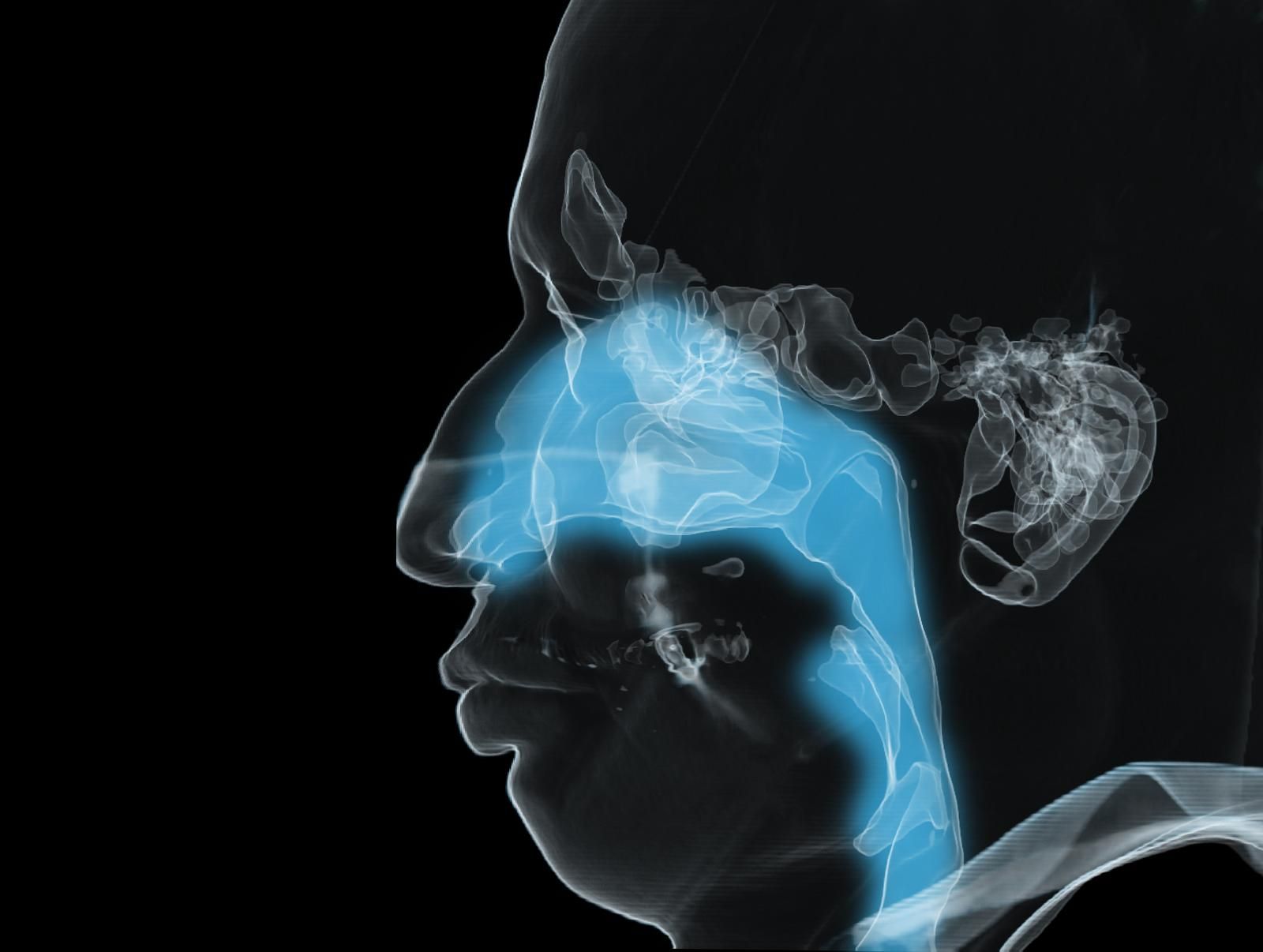
anatomy-of-paranasal-sinuses-and-trachea-airway-3d-illustration
August 11, 2026
Explore emerging tools in functional airway assessment, including quantitative CT, airway imaging, airflow modeling, and advanced sinus diagnostics shaping the future of ENT and airway care.
Woman in a face mask holding a flower to her nose, illustrating smell loss from chronic sinusitis.
July 16, 2026
Learn why smell loss in chronic sinusitis may signal severe airway disease, nasal polyps, or eosinophilic inflammation, and explore today's treatment options.
doctors training each other
July 7, 2026
Learn why interdisciplinary training in CRS, asthma, biologics, and airway inflammation is essential for preparing clinicians to diagnose and manage complex airway disease.
a group of physicians in a meeting
June 26, 2026
Learn how standardized communication across ENT, allergy, pulmonology, and GI specialties improves care coordination, teamwork, and patient outcomes.
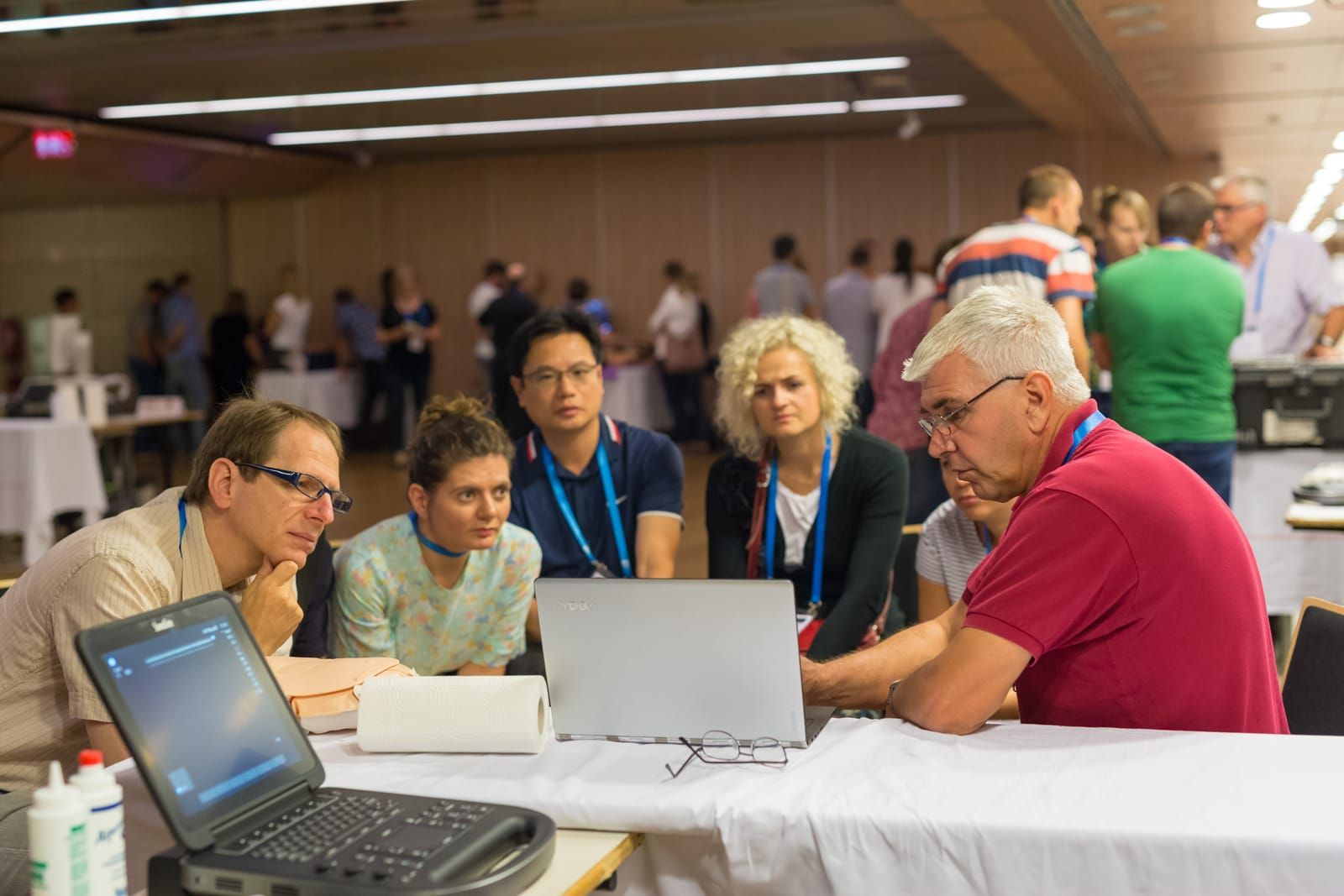
participants-learning-new-ultrasound-techniques-on-medical-congress
May 26, 2026
Discover how translational airway research improves real-world patient care through collaboration, innovation, and evidence-based sinus treatment. Learn how Snot Force helps physicians bridge the gap between airway science and clinical practice.
doctor-team-analyzing-health-charts-for-effective-patient-care
May 12, 2026
Explore the differences between objective measures and patient-reported outcomes in sinonasal disease. Learn how ENT doctors can improve sinus disease assessment by combining clinical data with real-world patient experiences.
patient-consulting-a-specialist-for-his-chronic-cough
April 28, 2026
Learn how ENT, pulmonology, allergy, and GI specialists work together to diagnose and manage complex chronic cough caused by multiple underlying conditions.