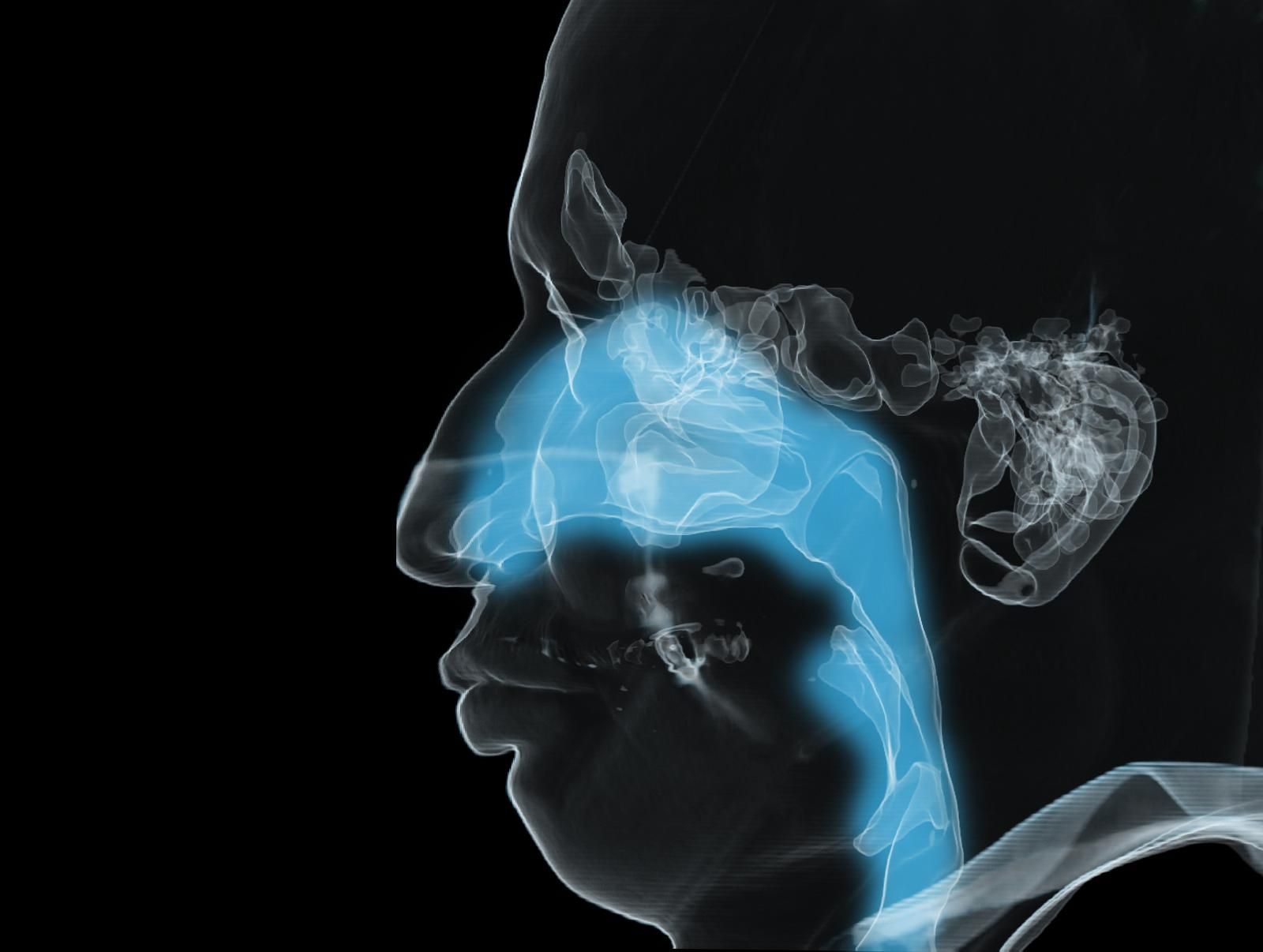
The Driving Force Behind Many Sinus Issues: Inflammation
A common underlying cause and driver of nasal congestion, smell loss, and sinus drainage is inflammation. Read on to learn how sinus problems are caused by inflammation and how to deal with it.
What is Inflammation?
Inflammation is a natural part of the immune response that comes into play when the body is fighting infection or attempting to heal itself. It is characterized by swelling, redness, pain, and heat in the affected area. It can be caused by a variety of things, including infection, injury, or allergies. In the case of sinus inflammation, it can be short term or long term. Short term inflammation may come from infection or allergies. Long term inflammation or “chronic sinusitis” is often caused by the body’s production of too much inflammation. The cause of this is still being investigated but can sometimes be explained by a person’s genetic or family history. This type of inflammation can block your sinuses and cause a range of uncomfortable symptoms.
How Does Inflammation Affect the Sinuses?
When inflammation occurs in the sinuses, it can cause a blockage of these passages. This blockage can cause a number of symptoms, such as facial pain, nasal congestion, smell loss, runny nose, and difficulty breathing. In extreme cases, inflammation can also lead to sinus infections. It is important to note that inflammation does not directly cause infection, but rather increases the chances of developing an infection due to blockage and congestion. Additionally, regular exposure to pollutants and allergens can cause chronic inflammation in the sinuses, leading to long-term sinus issues.
Common Causes of Sinus Inflammation
Inflammation of the sinuses can be caused by several factors. One of the most common causes is a virus, such as the common cold or influenza, which can lead to acute sinusitis. Other causes include allergies and environmental irritants, such as smoke or dust mites. Additionally, structural issues in the nose, such as a deviated septum or nasal polyps, can also contribute to sinus inflammation. Finally, bacteria and fungi can also cause sinusitis if they are able to enter the body through the nose.
Conclusion
In conclusion, inflammation is a major driving force behind sinus issues. It is caused by allergies, pollutants, and other environmental factors, and can cause a range of symptoms, including sinus pain, pressure, and congestion. The best way to prevent and manage inflammation-related sinus issues is to avoid triggers and allergens, as well as to seek appropriate medical care when needed.
Depending on the root cause of the disorder, the treatment plan will vary, from prescribing antibiotics to anti-allergens to surgical procedures. If left untreated, chronic sinus disorders might lead to other complications. Snot Force Alliance aims to bring specialists together through meetings and research collaborations and inspire innovation in treating sinus, nose, and airway conditions. Join today!