
Otologic Allergies: A Brief Introduction

July 6, 2022

Otology is the biological study of ear alterations and diseases. Otologic allergies are the type of allergies that affect the ears. The most common otologic allergies are seasonal allergies, especially hay fever, which can cause ear sensitivity and pain.


Multidisciplinary Snot Force Alliance Webcast with Otolaryngologist Dr. Ilka Naumann


The recent Snot Force Assemble! CME webcast explored Otologic Allergy with Dr. Ilka Naumann of Michigan Ear Institute. Multiple specialties, including allergists, otolaryngologists, and pulmonologists, were on hand to discuss how allergies affect the ears.


Read on to learn more about otologic allergies and how you can find treatment.


Can Allergies Affect Your Ears?


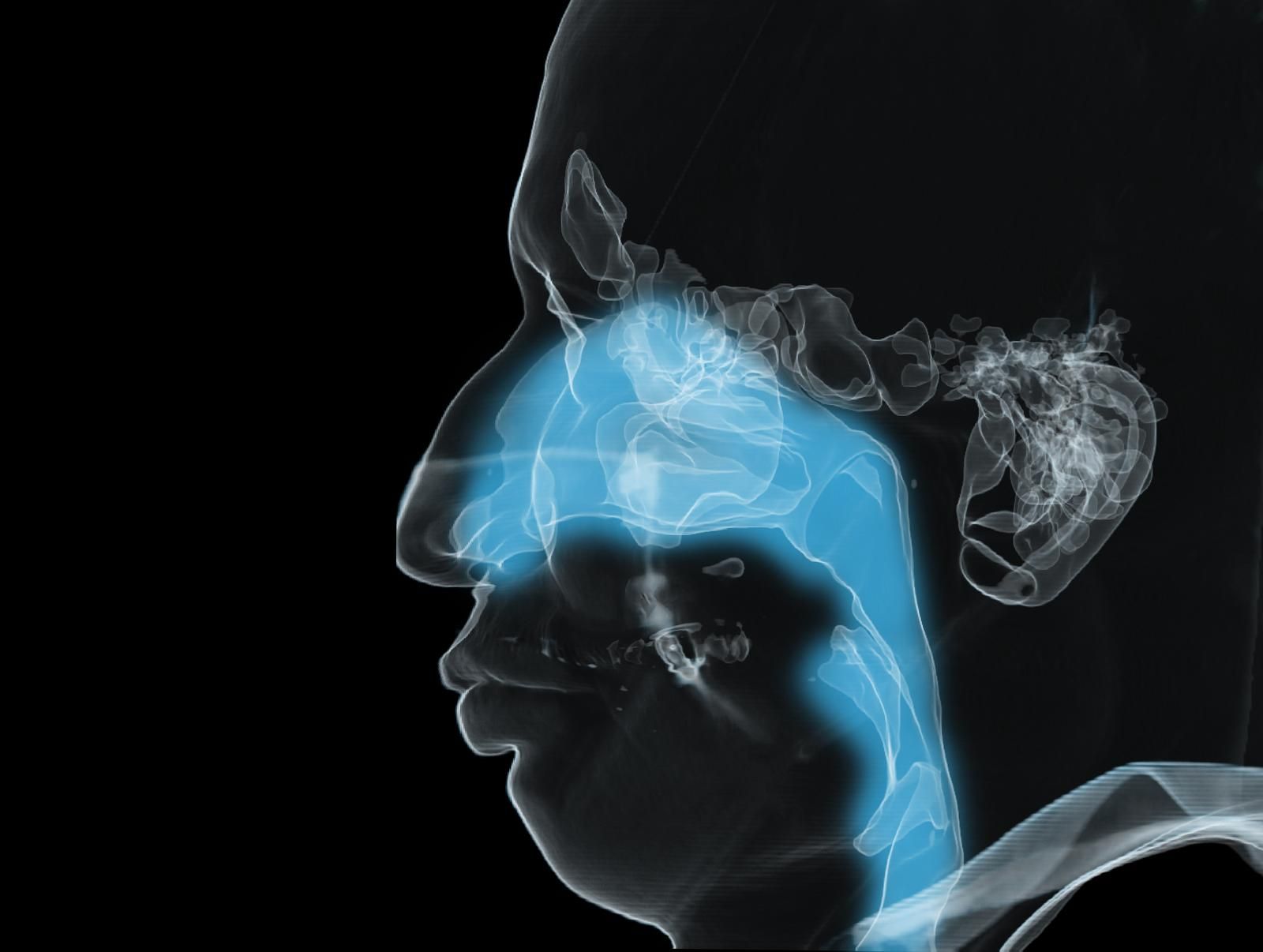
Quite often, seasonal allergies can cause many symptoms, including ear fullness. This is often due to how the ear functions. The Eustachian tube found in the middle ear acts similarly to a drainage tube, so when mucus clogs the ear, the drainage cannot happen. This causes pressure to build and leaves you feeling uncomfortable and stuffy.


Itching is another common side effect of an allergic reaction that affects the ears. The inner ear is also filled with fluid. If that fluid becomes infected, you can experience dizziness, a ringing in the ear, or loss of balance. You may also experience short-term hearing loss due to an allergic reaction. Luckily the hearing loss is temporary and often subsides when the allergies do.


Another common result of allergic reactions can be middle ear infections, especially in younger children. If they occur often, allergy tests are recommended to find the root cause and prevent further instances of infection.


How Can You Treat Otologic Allergies?


Most over-the-counter (OCT) allergy-relieving medicines can help ease allergy symptoms, including those caused by otologic allergies. Antihistamines and decongestants can help treat symptoms. These are some OTC antihistamines used to treat allergy symptoms:


●     loratadine (Alavert, Claritin)

●     fexofenadine (Allegra)

●     diphenhydramine (Benadryl)

●     chlorpheniramine (Chlor-Trimeton)

●     levocetirizine (Xyzal)

●     cetirizine (Zyrtec)


Pain medication can aid those suffering from earache. Resting in an upright position instead of lying down can also help reduce pressure in the middle ear. Chewing gum can help ease pressure as well.


There are many ways to help relieve symptoms of otologic allergies, including antihistamines, nasal steroid sprays, and decongestants. However, doctors can help by diagnosing any underlying problems and tailoring the treatment plan.


At Snot Force Alliance Inc, we make it our goal to share knowledge on nose, sinus, and airway conditions, including associated ear conditions. We host free CME webcasts and bring specialists together to promote collaboration opportunities for medical professionals and organizations. You can contact us by visiting our website


patient-being-checked-by-a-doctor-due-to-rhinosinusitis
January 22, 2026
Review the key symptoms, viral vs. bacterial differentiation, and evidence-based referral criteria for acute rhinosinusitis. Enhance diagnostic accuracy and patient management.
healthcare-and-medicine-ct-scan-of-human-sinuses
January 12, 2026
Explore how AI and deep learning are revolutionizing sinus & airway disease care—from high-accuracy CT analysis to automated pathology classification—while addressing key challenges in data privacy, workflow integration, and clinical adoption.
doctor-checking-the-throat-of-her-patient-in-a-clinic
December 1, 2025
A comprehensive guide to airway assessment from nose to lungs. Learn proactive evaluation techniques, physical exam steps, difficult airway prediction, and essential tools for nurses, RTs, paramedics, and physicians.
a young man sick with nasal congestion
November 25, 2025
Confidently distinguish chronic rhinitis from chronic sinusitis. Learn the key anatomic, diagnostic, and pathophysiologic differences, plus evidence-based treatment strategies every physician should know.
female-doctor-treating-the-asthma-of-a-pediatric-patient
October 8, 2025
Master the latest strategies for pediatric asthma. This 2025 specialist guide covers inhaler technique validation, environmental control, personalized monitoring, and advanced biologic therapies to improve outcomes and address disparities.
female-hiker-breathing-fresh-air-in-the-mountain
September 18, 2025
Chronic sinusitis is often a sign of a dysregulated immune system. This guide breaks down the sinus mucosa's immune role and the modern approach to treatment, including foundational care, surgery, and advanced biologics.
A young boy is blowing his nose into a napkin while sitting on a couch.
August 5, 2025
Recurrent pediatric sinusitis is often allergy-related. Learn how to identify, treat, and manage chronic sinus issues in kids—without overusing antibiotics.
A group of physicians working together.
July 22, 2025
Did you know 40% of maxillary sinusitis cases originate from dental issues? Learn how ENTs and dentists can collaborate to diagnose odontogenic sinusitis, when to refer patients, and key signs like unilateral pain or foul nasal taste.
asthma-copd-breath-nebulizer-and-mask-given-by-a-doctor-to-an elderly man
June 30, 2025
Discover 2024's best evidence-based approaches for managing inflammatory airway diseases (asthma, COPD, bronchiectasis). Learn about phenotype-driven diagnostics, breakthrough biologics, and AI-powered tools to improve patient outcomes.
ai-generated-human-and-robot-hands-reaching-toward-each-other
June 19, 2025
The U.S. spends nearly $5 trillion on healthcare every year—about 20% of its GDP. With artificial intelligence (AI) set to transform medicine, the pressing question for physicians is: Will AI actually reduce healthcare costs, or will it simply add another expensive tool? This matters not only for the financial sustainability of practices but also for patient outcomes and the future of healthcare delivery. Let’s separate facts from hype and explore what AI truly means for healthcare costs.